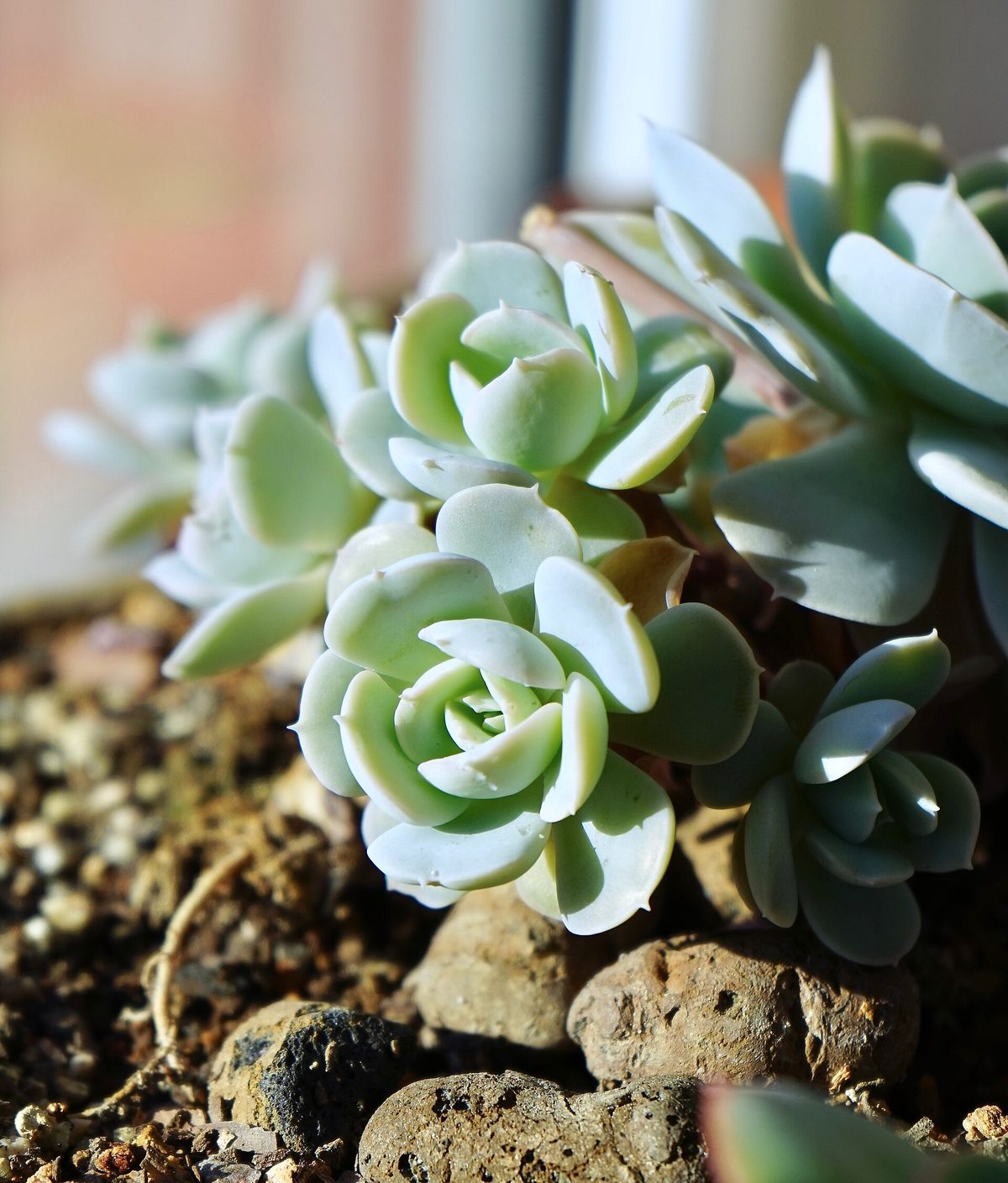
A field guide to slow plants
Grow succulents
that outlive
the trend.
Care notes, species profiles and honest buyer's guides from one bench in Zone 9b. Written for the plant already on your windowsill — not the one in the photograph.
Start here
Three things decide
whether it lives.
Everything else — the pot, the fertiliser, the misting bottle — is detail. Get these three right and the plant will forgive the rest.
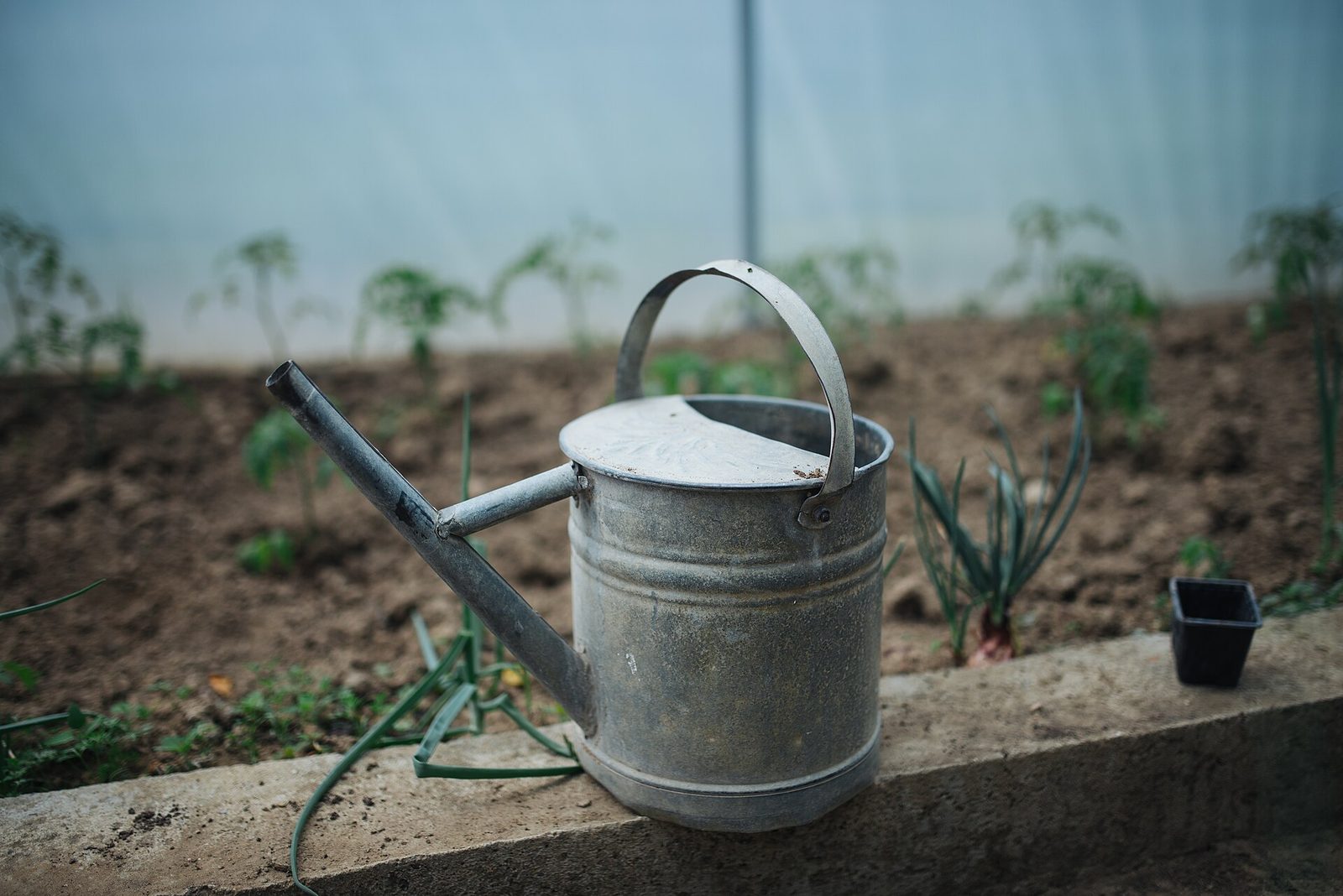
Water by weight, not by calendar
A dry pot is light. Lift it before you water, and again after. That difference is the only schedule that matters.
Read the guide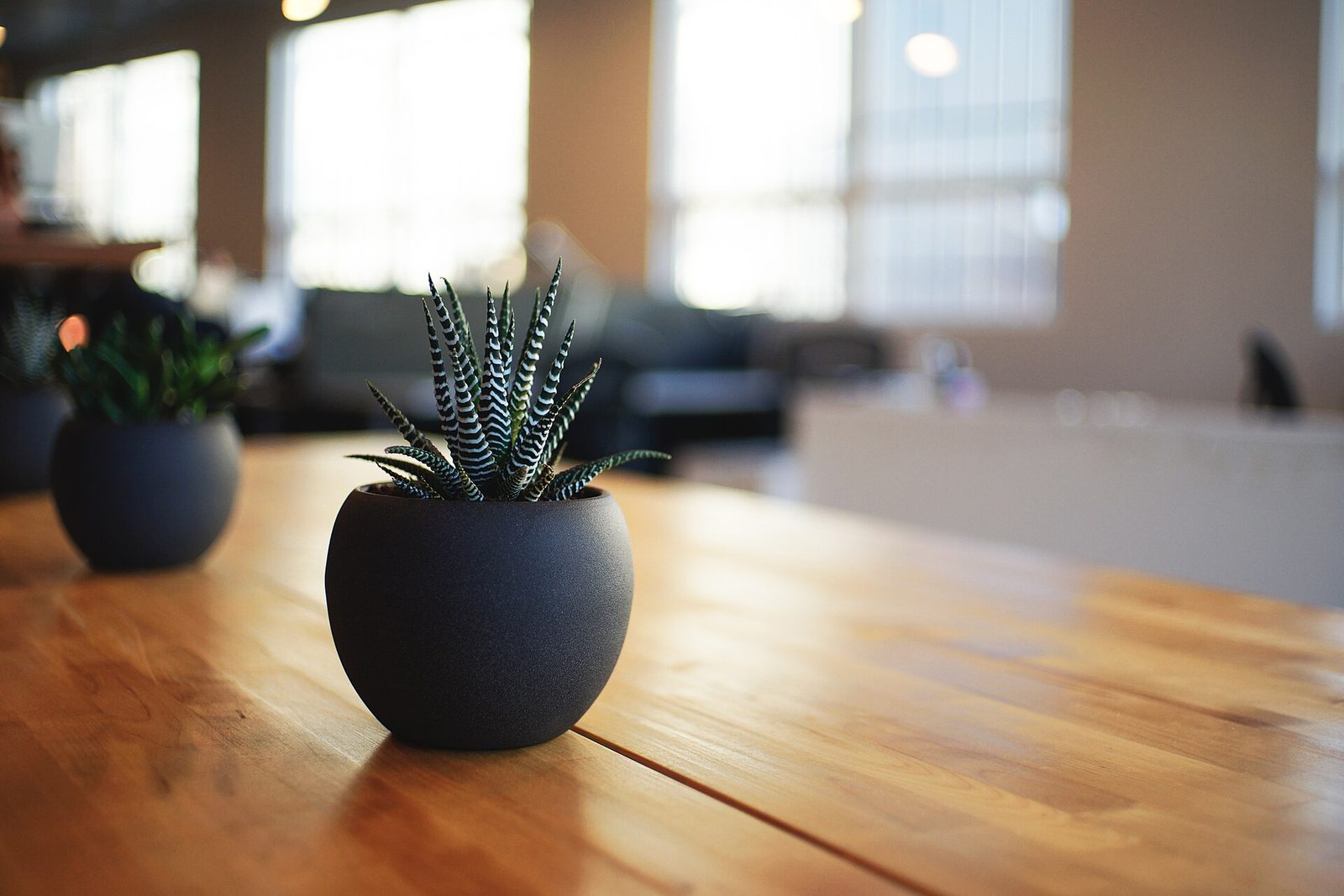
Light is the whole conversation
Succulents do not need heat. They need hours of unobstructed sky. A south window in winter is worth more than a warm room.
Read the guide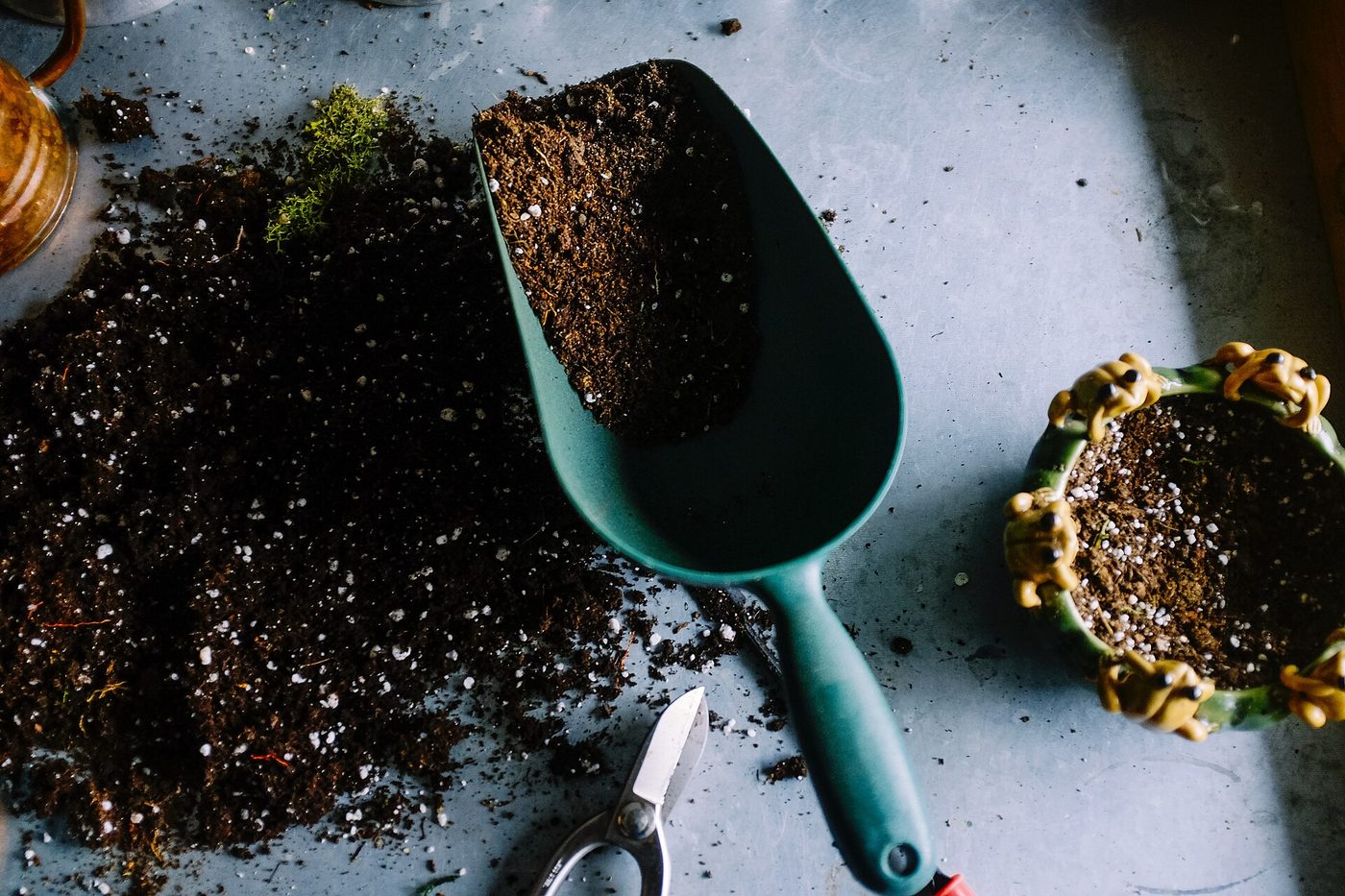
Build the mix, then leave it alone
Two parts mineral to one part organic, sifted and watered in. Roots need air more than they need richness.
Read the guideThe library
Eight plants we
would give a beginner.
Echeveria runyonii
Topsy-turvy echeveria
- Light
- Full sun to very bright
- Water
- Low
- Zone
- 9b–11
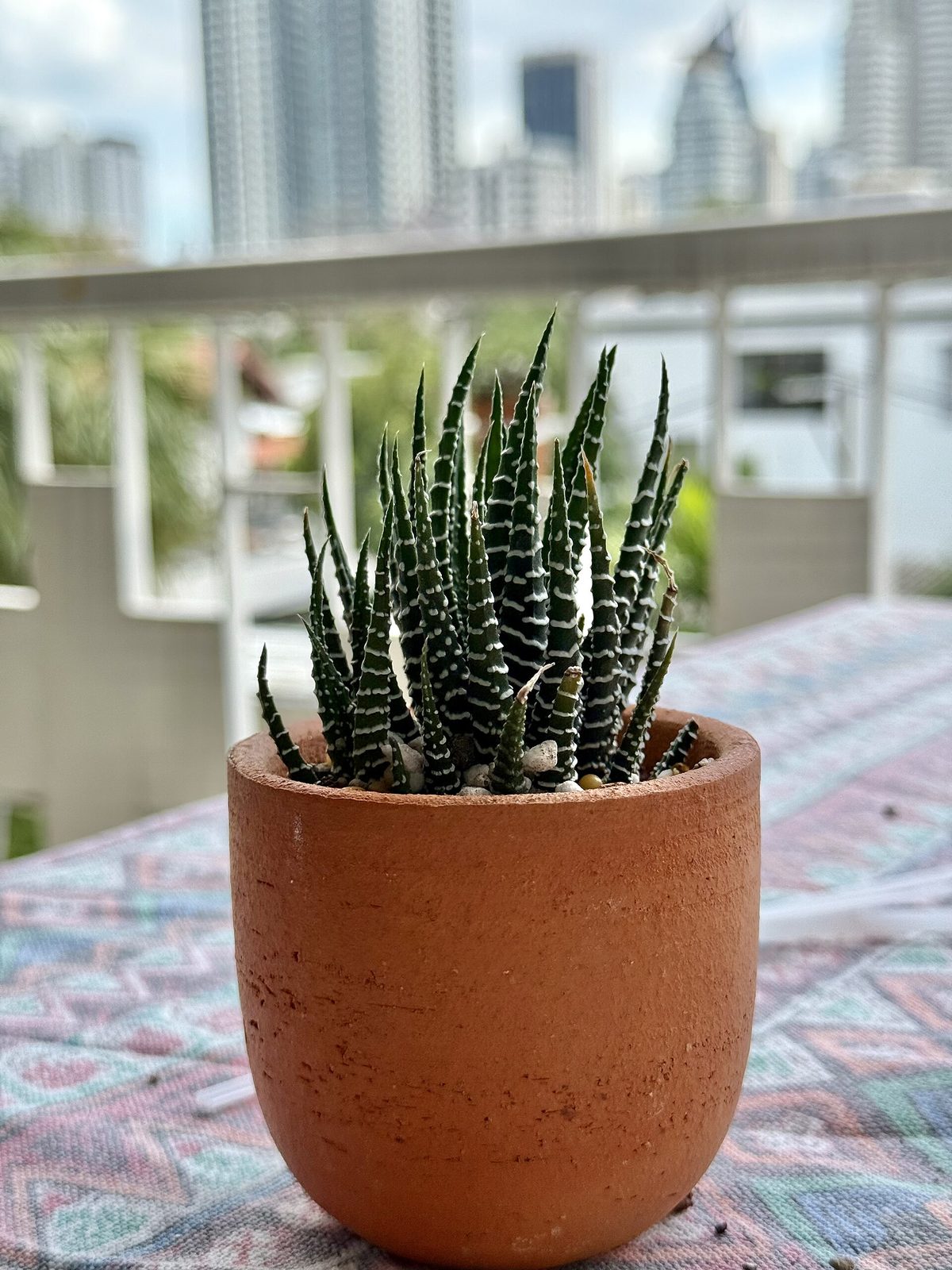
Haworthiopsis attenuata
Zebra haworthia
- Light
- Bright indirect, some morning sun
- Water
- Low
- Zone
- 9b–11
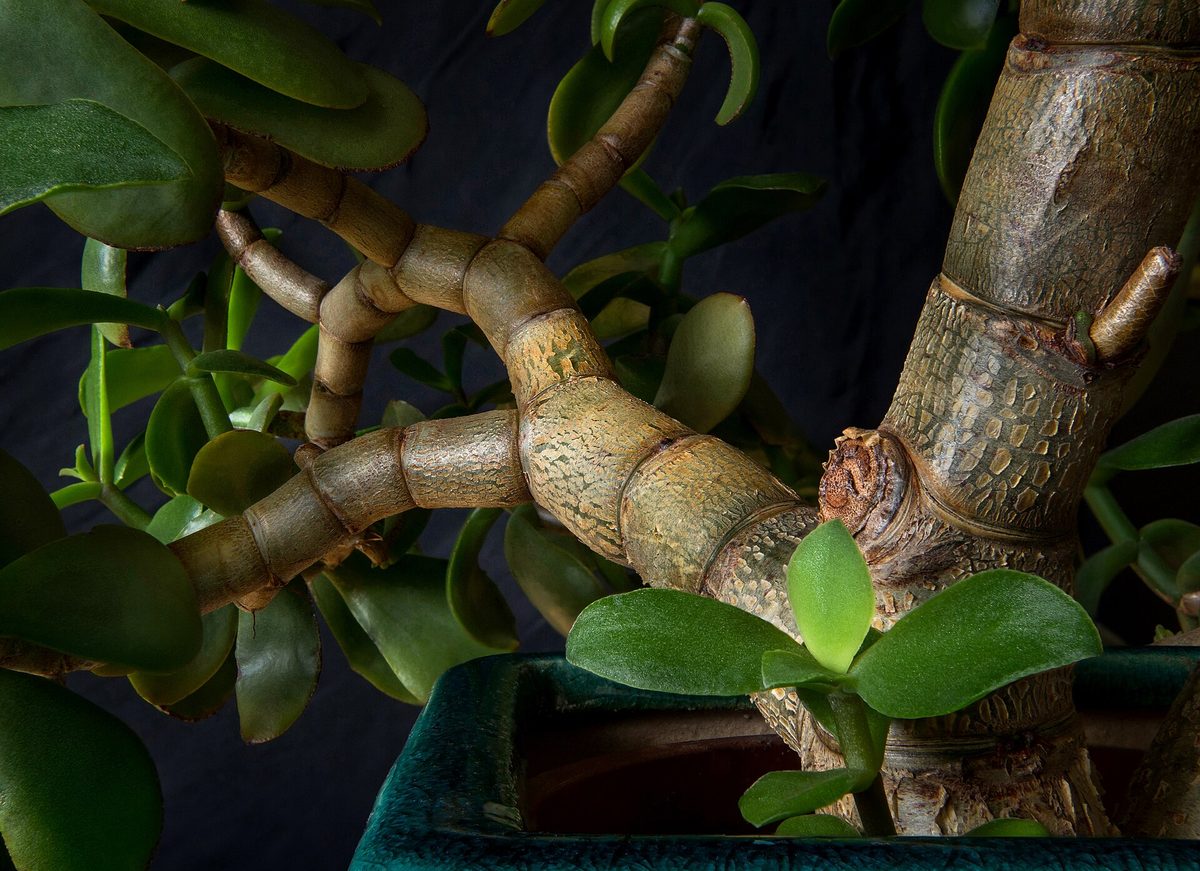
Crassula ovata
Jade plant
- Light
- Full sun, or a south window
- Water
- Low to moderate
- Zone
- 9–11
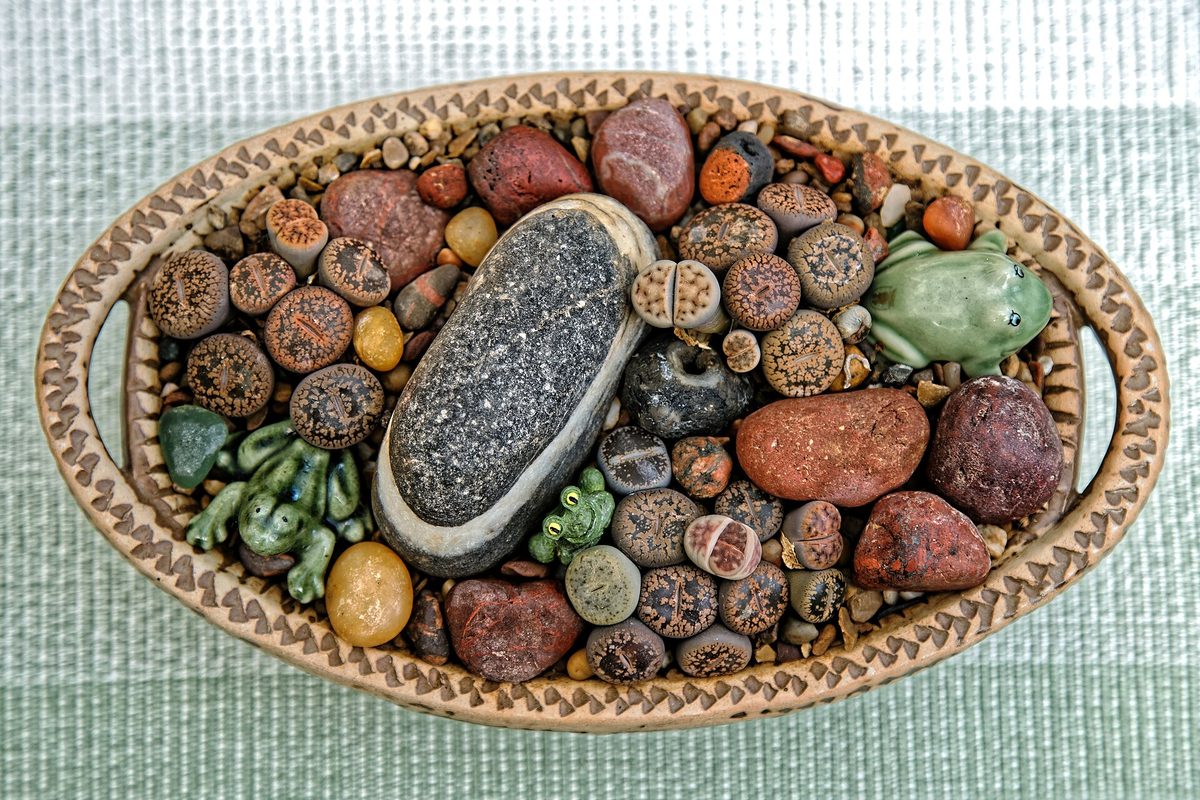
Lithops
Living stones
- Light
- Full sun, six hours minimum
- Water
- Very low, strictly seasonal
- Zone
- 10–11
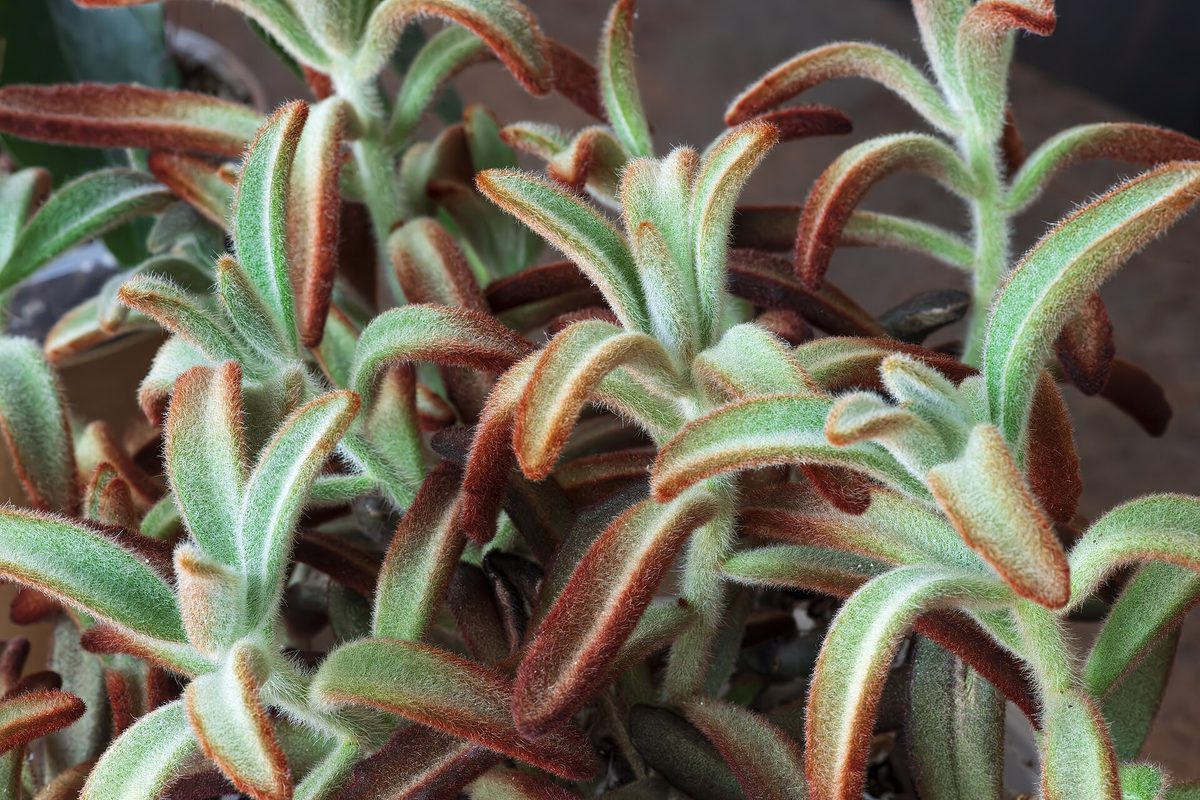
Kalanchoe tomentosa
Panda plant
- Light
- Bright light, sun in winter
- Water
- Low
- Zone
- 10–11
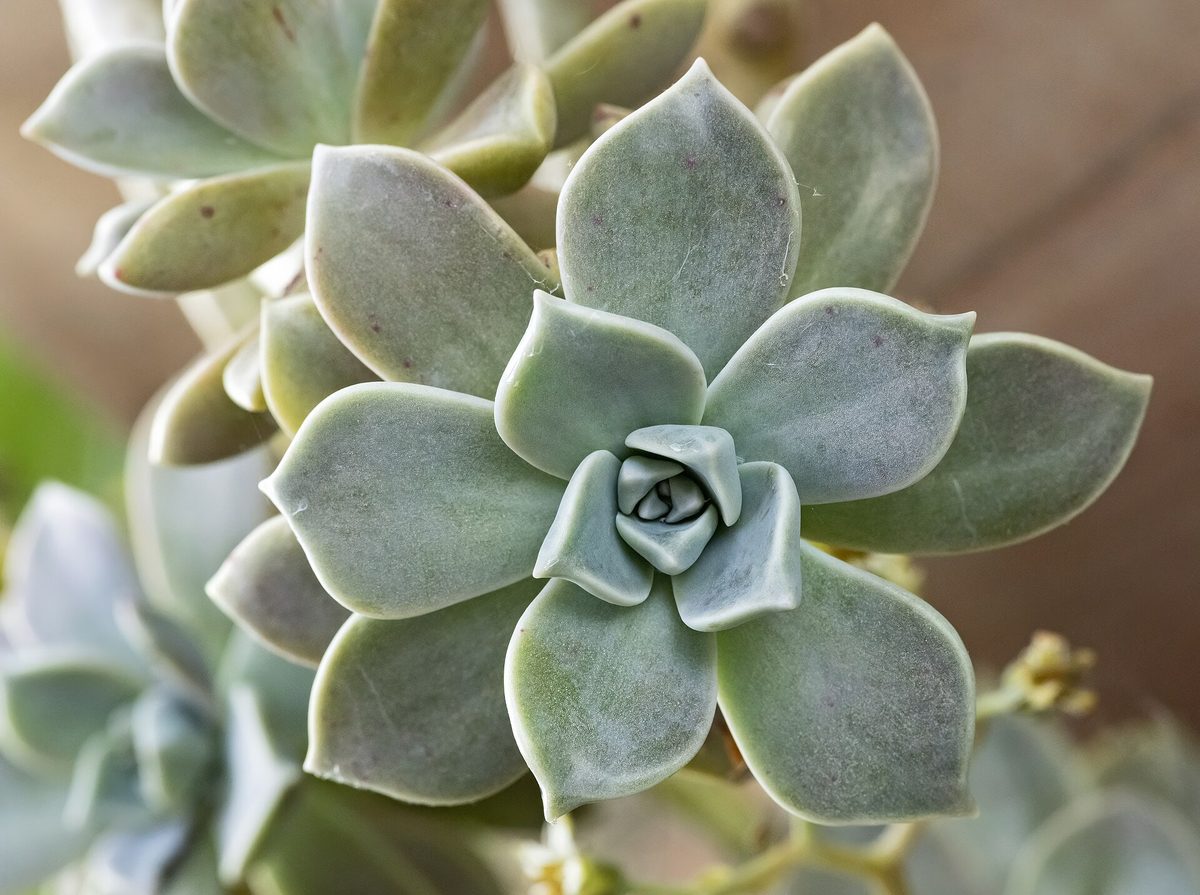
Graptopetalum paraguayense
Ghost plant
- Light
- Full sun to bright light
- Water
- Low
- Zone
- 9–11
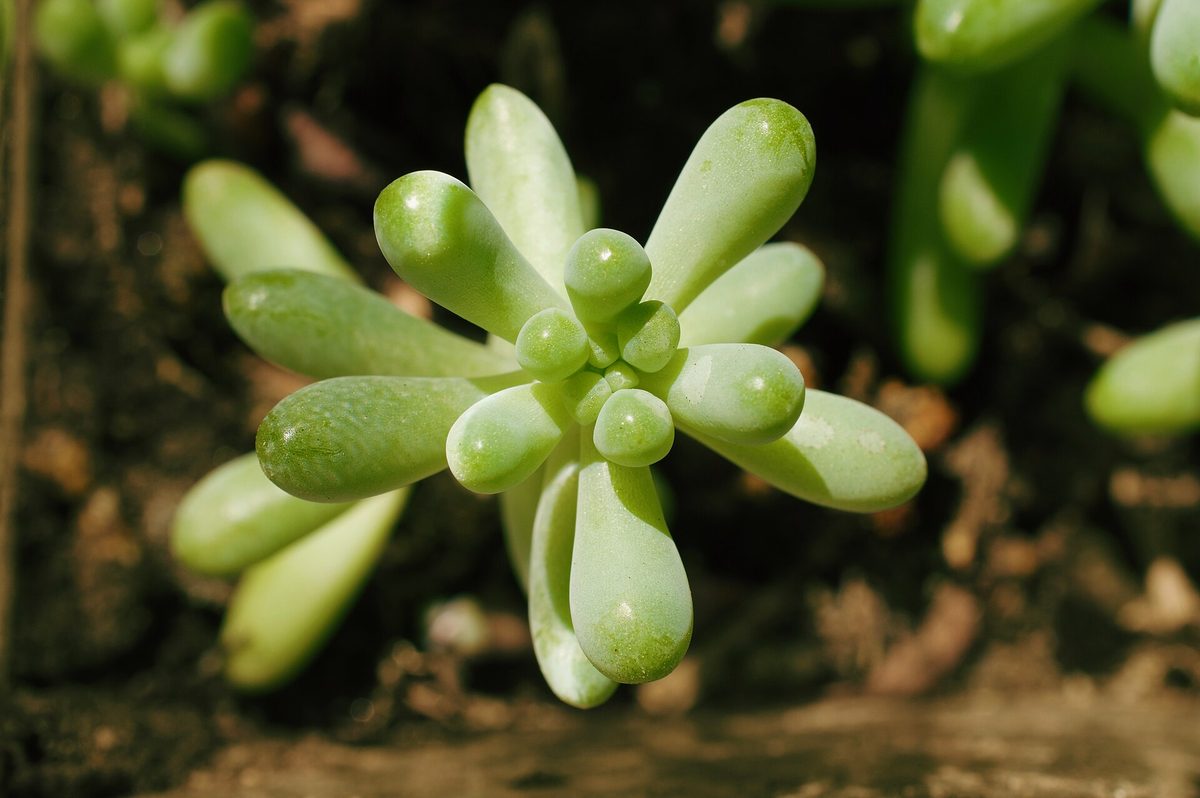
Sedum pachyphyllum
Jelly beans
- Light
- Full sun
- Water
- Low
- Zone
- 9b–11
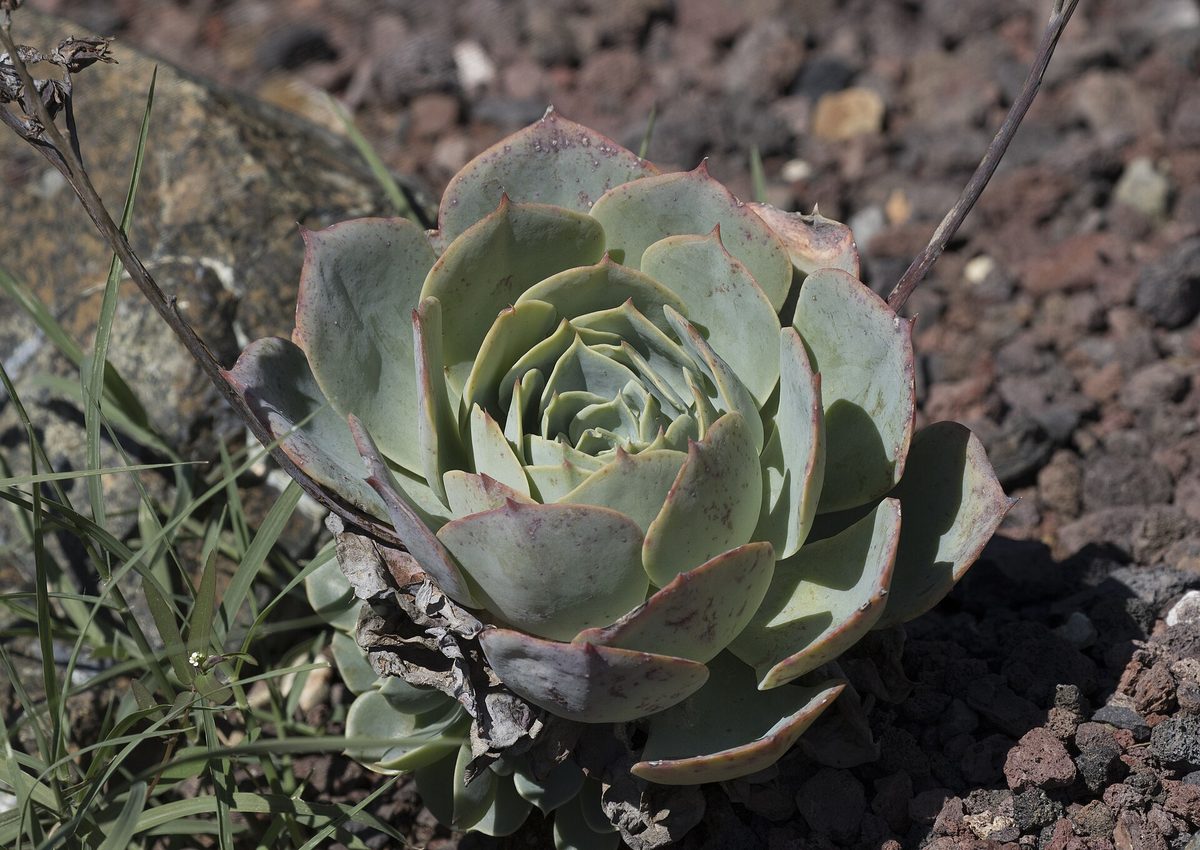
Echeveria elegans
Mexican snowball
- Light
- Bright light, some direct sun
- Water
- Low
- Zone
- 9b–11
Buyer's guides
What we would buy
again, and why.
No star ratings out of nowhere. Each guide states what we check, what it costs, and the climate it suits — then you decide.
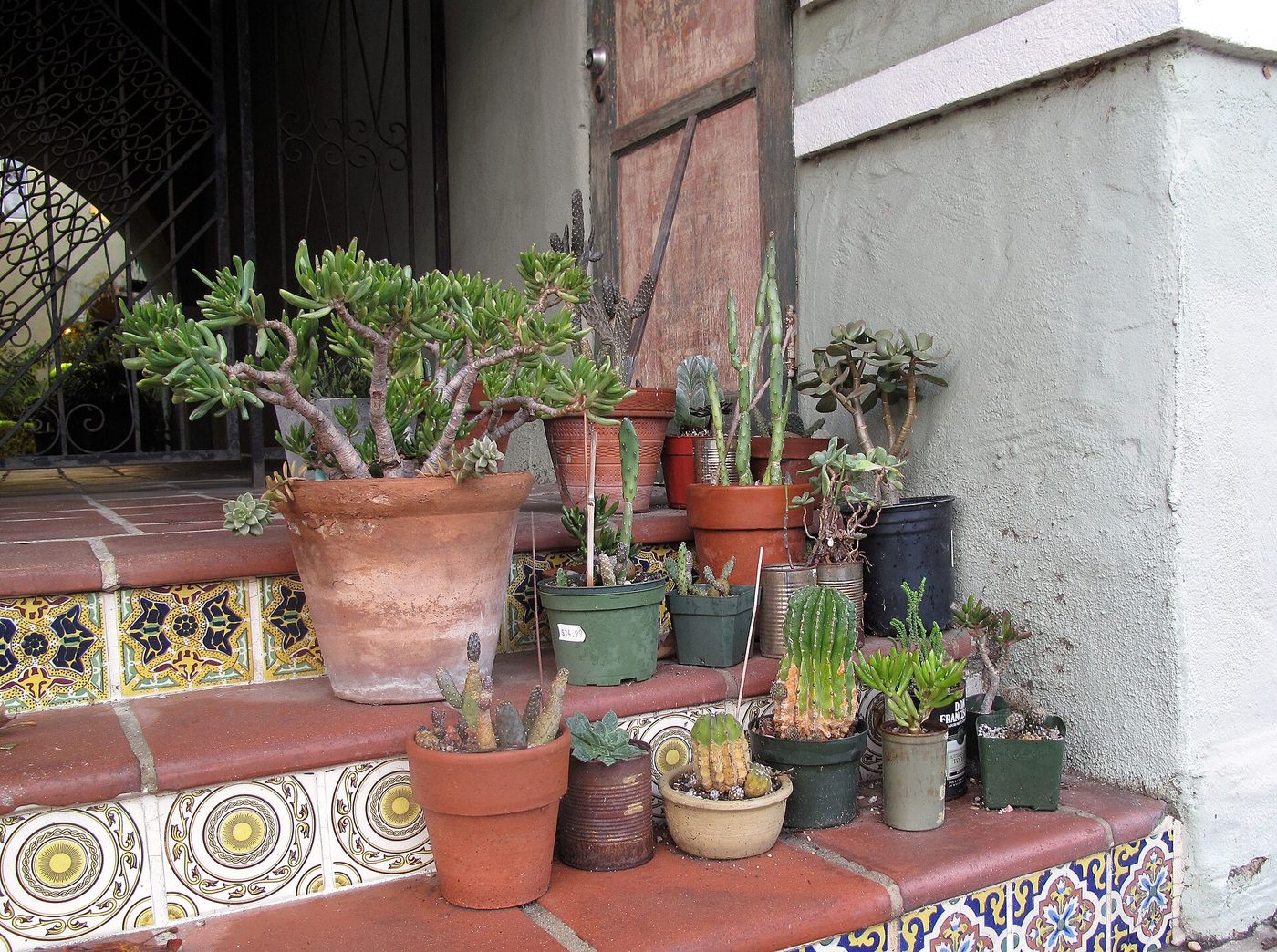
Terracotta, glazed, or plastic: what the pot actually does
Unglazed terracotta for anyone who waters too often; glazed stoneware for a dry, warm room.
Read the guide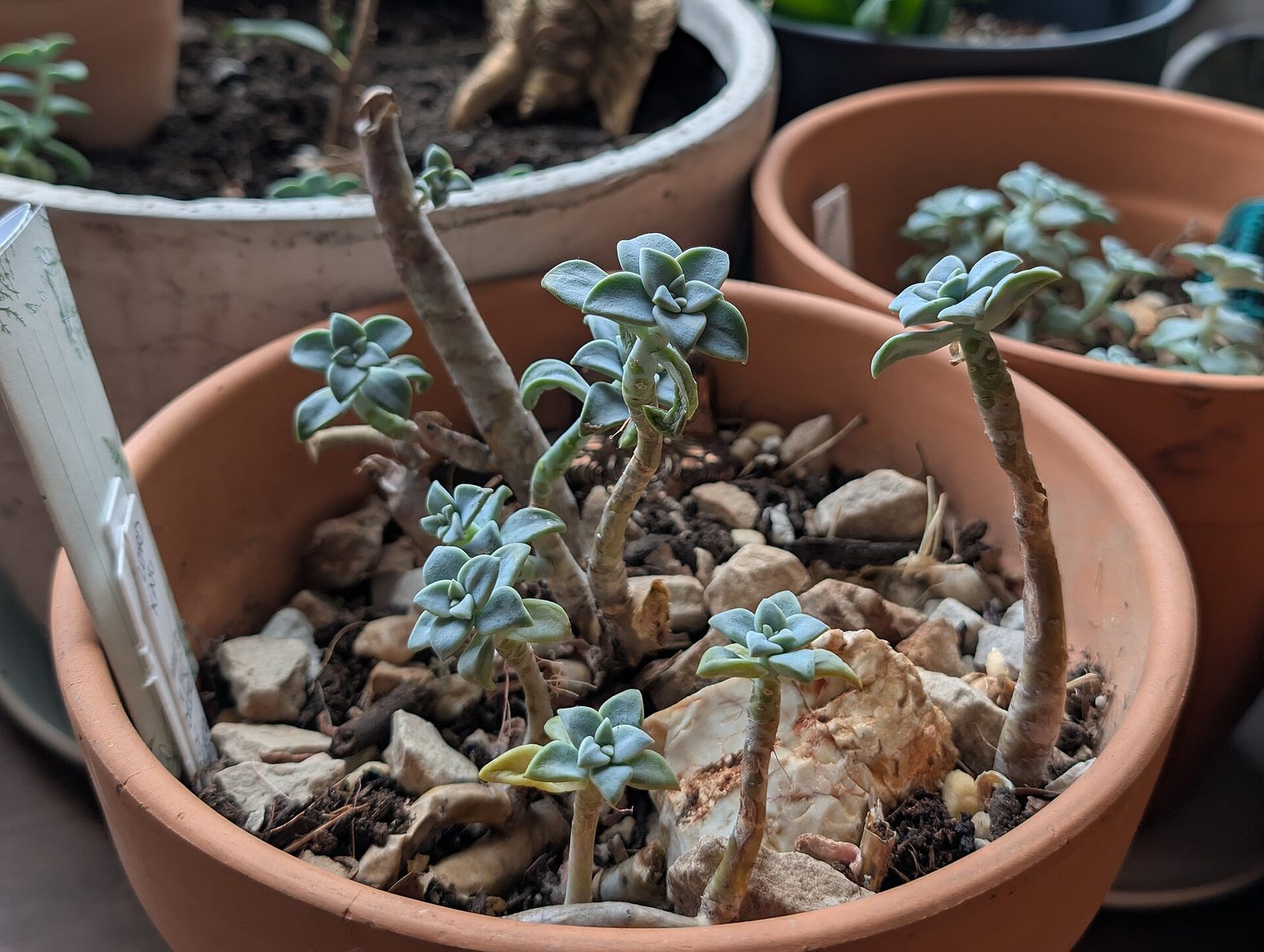
Gritty mixes, compared by what they do after a year
A 2:1 pumice-to-compost mix, sifted, beats every bagged blend we have opened.
Read the guideLong-spout cans and why the spout matters
A 1-litre can with a 25 cm narrow spout is the single most useful tool in the collection.
Read the guideThe north shelf, 09:10. Haworthia, charcoal stoneware, 11 cm.
The method
A bench, a scale,
and nine winters.
Every plant here has been through a wet winter and a still, hot August in the same room. We keep what survived, describe what it needed, and throw away the advice that only works in a greenhouse.
- 01
Weigh the pot, not the calendar
Watering advice is only useful if it survives a rainy week and a holiday away.
- 02
One variable at a time
Same plant, two mixes, one season. If we cannot see the difference, we say so.
- 03
Name the climate
A rule that works in Arizona is not a rule. Every guide says where it was written.
On the bench this week
Late October:
the last useful fortnight.
Nights are down to 11 °C and the light is dropping by four minutes a day. This is the window for anything that needs roots before winter.
| Task | Do it when | Skip if |
|---|---|---|
| Repot | Now — roots still have six weeks | The plant is in flower |
| Take leaf cuttings | Now, on a dry tray | You cannot give 12 °C+ |
| Last feed | This week, half strength | Repotted after June |
| Move off the glass | First frost warning | — |
Written for a cool-temperate Zone 9b autumn; shift by your own first frost date.
Questions we get
The four that
come up every week.
Why are my lower leaves turning yellow and falling off?
Usually age, not trouble. A succulent sheds its oldest leaves from the bottom up, and a clean, dry leaf that detaches with a light pull is normal. If the leaf is translucent or mushy, the mix stayed wet too long — stop watering and check the roots.
Can I keep a succulent in a bathroom?
Only if the bathroom has a bright window and a fan. Succulents want moving air and dry leaves; a steamy, still room is the one environment that reliably rots them.
Do I need to fertilise?
Once, in early spring, at half strength, if the plant was repotted more than a year ago. Succulents grow slowly and a rich mix makes soft, stretched growth.
How do I know a plant needs a bigger pot?
Roots at the drainage hole, water running straight through within a day, or a plant that dries out twice as fast as it did last season. Size alone is not a reason.
Start somewhere small
One plant, one south
window, one dry pot.
Buy the tray, read the watering guide, and ignore everything else on the internet for a month.