Field notes from a Zone 9b bench · since 2016Free US shipping over $75 · Orders ship Mondays
The Succulent
Almanac
Shop the collection

Buyer's guides

Six things
worth buying.

Not reviews of the newest thing. Category guides: what the object actually does to the plant, what it costs, and which climate it suits. Every guide names what we would choose for our own bench — and what we would leave on the shelf.

Guides
6
Price bands
$6–$90
Method
Bench-tested
GuideBest forTypical spendOur verdict
Terracotta, glazed, or plastic: what the pot actually doesEvery collection needs both$6–$45 per potUnglazed terracotta for anyone who waters too often; glazed stoneware for a dry, warm room.
Gritty mixes, compared by what they do after a yearAnyone repotting more than three plants$12–$28 per 10 litresA 2:1 pumice-to-compost mix, sifted, beats every bagged blend we have opened.
Long-spout cans and why the spout mattersShelves of small pots$18–$60A 1-litre can with a 25 cm narrow spout is the single most useful tool in the collection.
Grow lights for a north-facing shelfOne shelf, November to March$30–$90A 20 W full-spectrum bar 20 cm above the plants is enough for rosettes; it will not fix a dark room.
The four tools worth keeping on the benchRepotting season$8–$35 eachA narrow trowel and a 3 mm sieve do 90% of repotting work.
Starter trays: what a good one containsA first shelf$28–$65 for nineA good tray mixes genera: one rosette, one clumper, one trailer, one fuzzy, one stone plant.

Prices are typical retail bands in the US, not quotes. We do not sell placement in these guides.

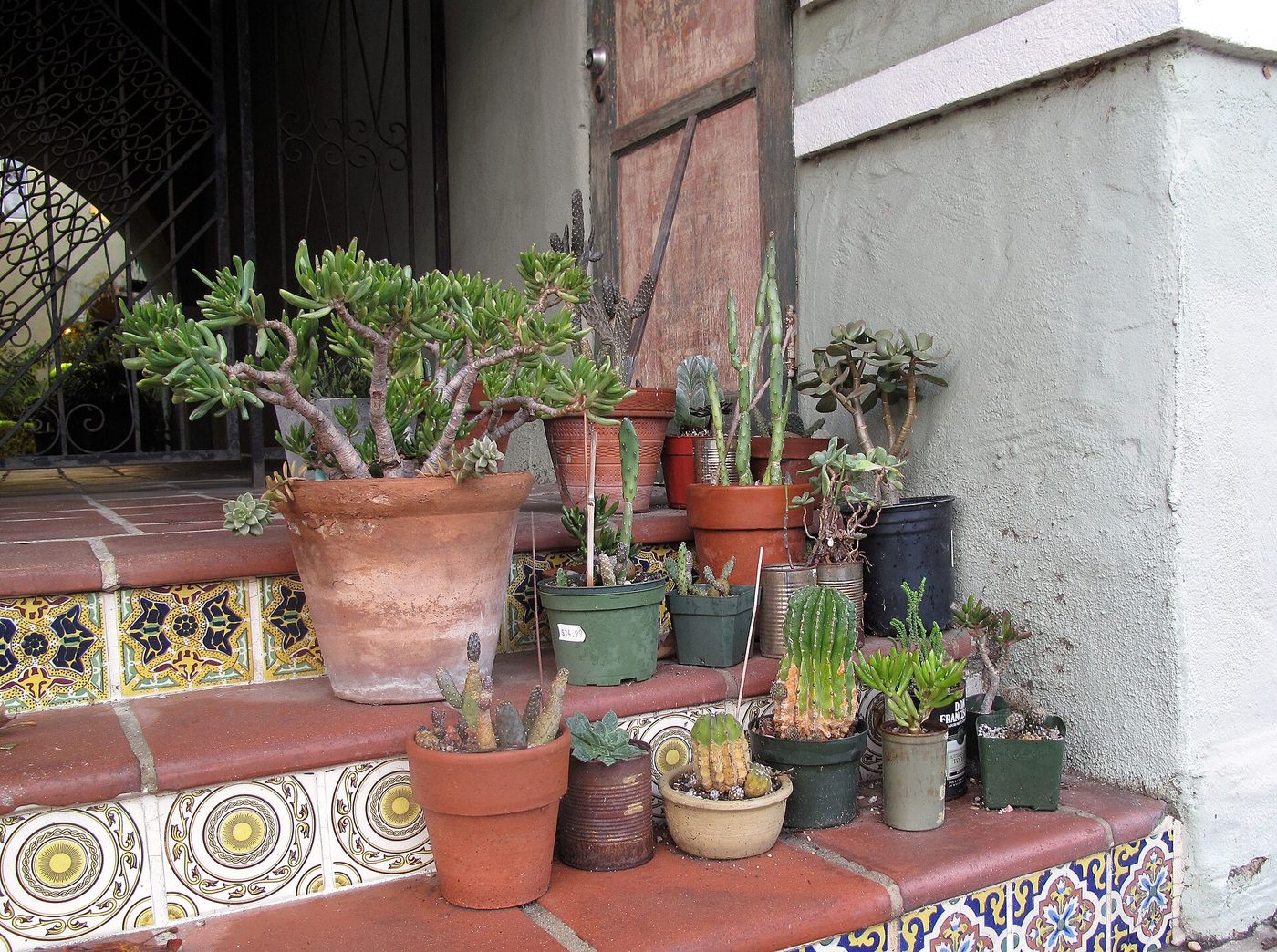
Jade plants in terracotta pots on a tiled step

Every collection needs both · $6–$45 per pot

01$6–$45 per pot

Terracotta, glazed, or plastic: what the pot actually does

The pot is a humidity control device. Choose it for your climate, not for the photograph.

Verdict

Unglazed terracotta for anyone who waters too often; glazed stoneware for a dry, warm room.

Breathability
Drying speed
Looks

Worth it

  • Terracotta wicks water through the wall, so the mix dries from the sides as well as the top
  • Cheap, replaceable, and honest about its age — the salt bloom is part of the look
  • A heavy pot stops a top-heavy rosette from tipping

Trade-offs

  • Dries out fast in summer; a small terracotta pot may need water every four days
  • Breaks in a frost, and stains a windowsill
  • Glazed pots hold water far longer than most people expect
DrainageOne hole, 12 mm minimum
Size2 cm wider than the root ball, no more
WallUnglazed inside is better than glazed outside

We keep the collection in unglazed terracotta and use glazed stoneware only for the two plants in the darkest room, where drying is slow.
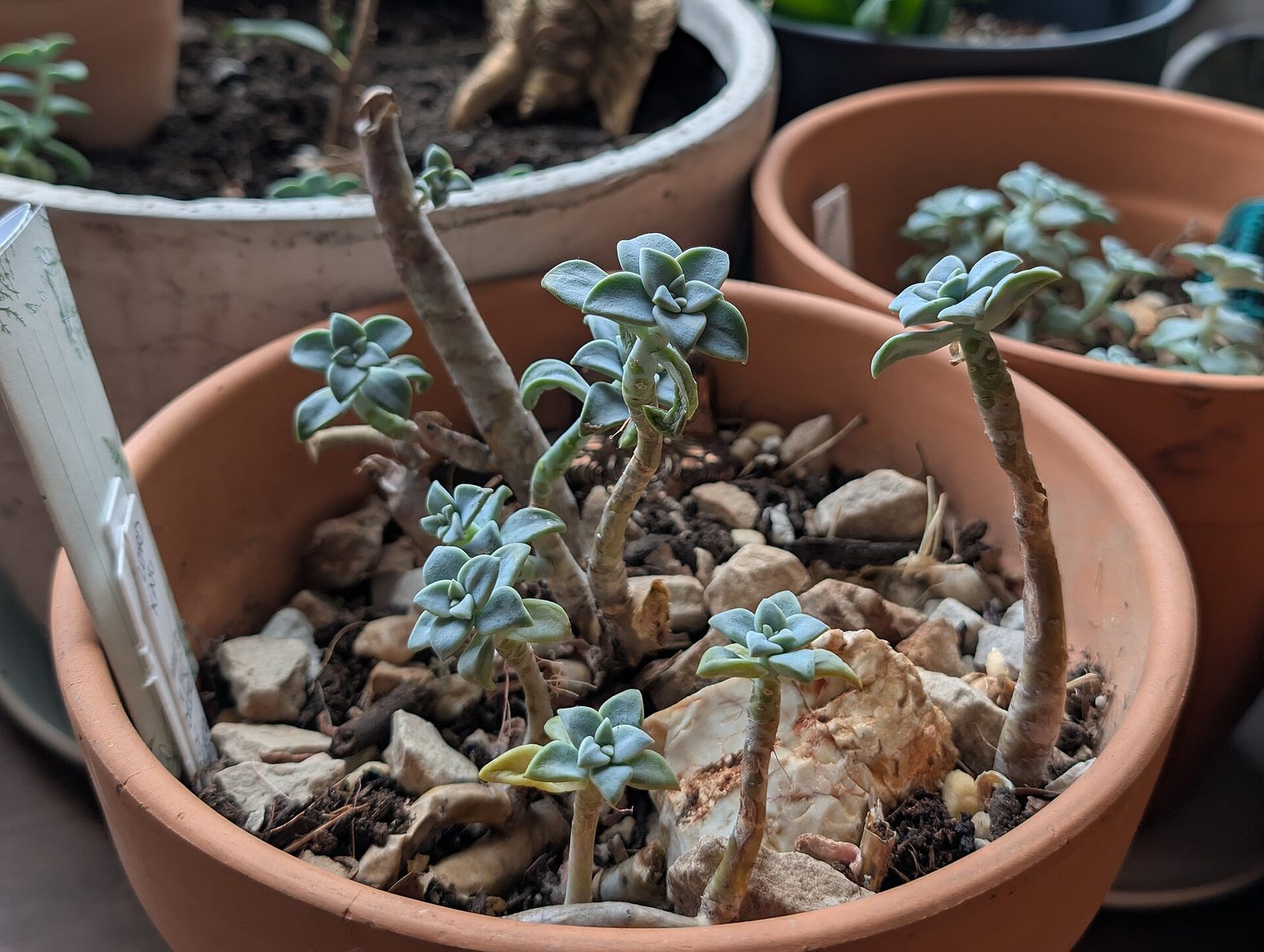
Bare-root rosettes being potted into a gritty mix

Anyone repotting more than three plants · $12–$28 per 10 litres

02$12–$28 per 10 litres

Gritty mixes, compared by what they do after a year

Pumice, perlite, akadama-style clay, and the bagged 'cactus' compost that starts all of this.

Verdict

A 2:1 pumice-to-compost mix, sifted, beats every bagged blend we have opened.

Airflow
Water retention
Value

Worth it

  • Pumice keeps its structure for years; perlite crushes and floats to the top
  • You control the ratio, so the same bag works for lithops and for jade
  • Sifting out the fines is the difference between gritty and concrete

Trade-offs

  • Bagged mixes are inconsistent — the same brand changes recipe between batches
  • Pumice is heavy and expensive to ship
  • Coir-based mixes need feeding after the first season
Particle size3–6 mm, dust sifted out
Organic shareNo more than one third by volume
BehaviourWater should pass through in under five seconds

One 10-litre bag of pumice and a small bag of sieved compost makes roughly 15 litres of mix — enough for a shelf of 12 cm pots.

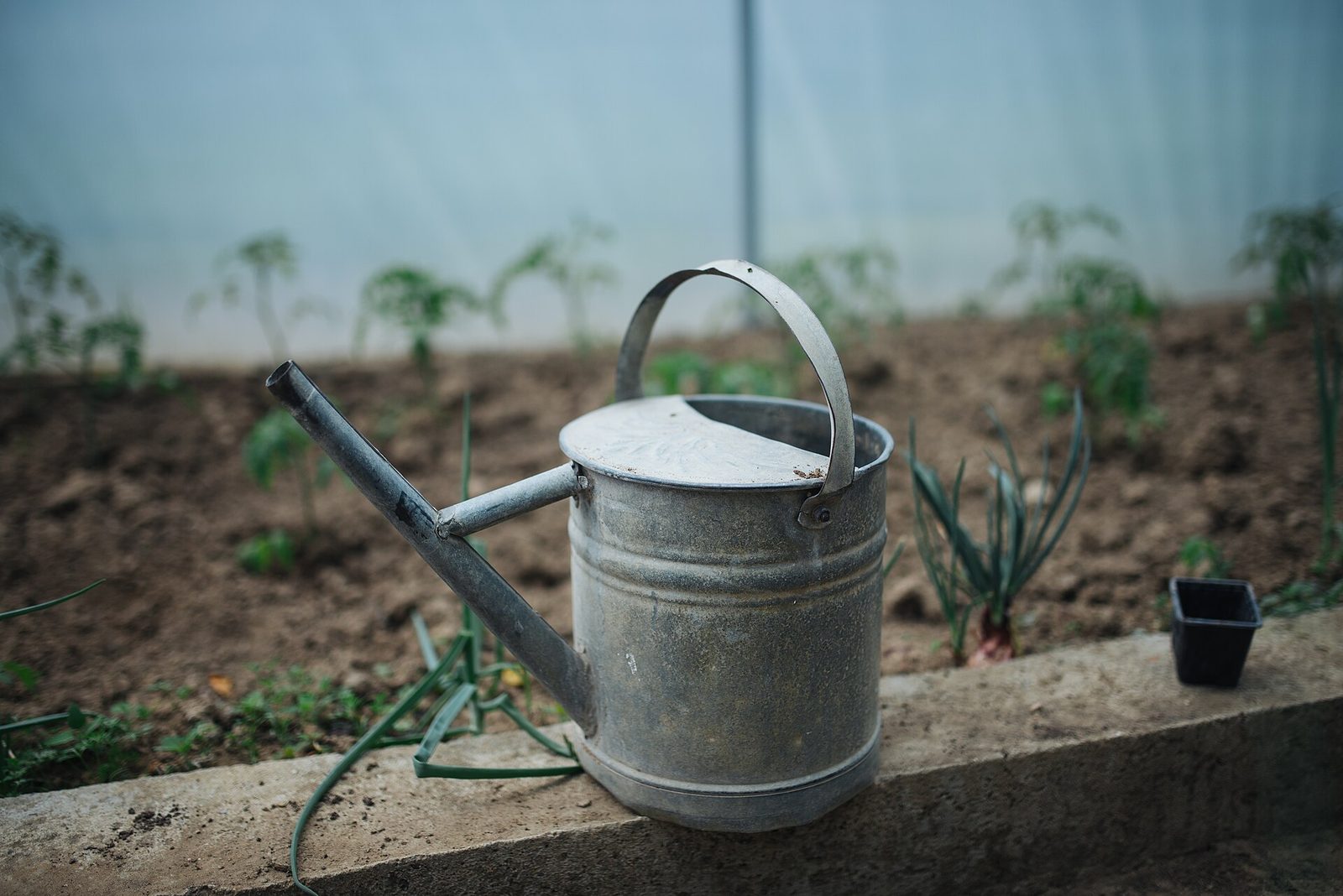
A galvanised watering can on a greenhouse bench

Shelves of small pots · $18–$60

03$18–$60

Long-spout cans and why the spout matters

A narrow spout reaches under the rosette. A wide rose puts water exactly where you do not want it.

Verdict

A 1-litre can with a 25 cm narrow spout is the single most useful tool in the collection.

Control
Capacity
Durability

Worth it

  • Water lands at the pot wall instead of in the crown
  • One litre is enough for a shelf and light enough to hold at eye level
  • Galvanised steel outlives every plastic can we have tried

Trade-offs

  • Small capacity means refilling mid-round
  • Metal cans dent, and a dented spout pours crookedly
  • Not useful for a large outdoor bed — use a hose there
Spout20–30 cm, narrow, straight
Weight emptyUnder 400 g
RoseRemovable; you will not use it indoors

For a shelf of 20+ pots, a 500 ml squeeze bottle with a curved nozzle is faster and just as accurate.

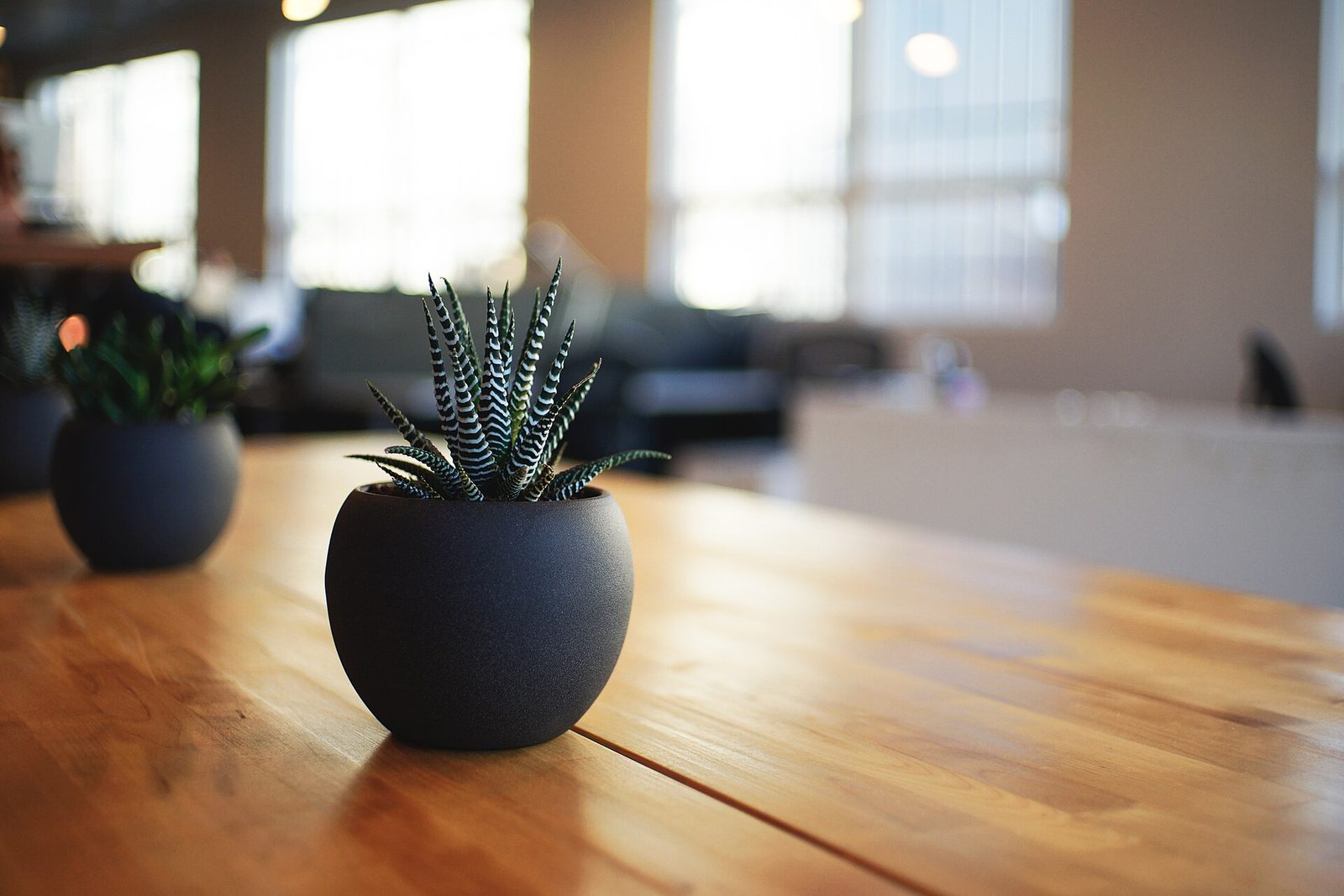
A succulent in a dark pot on a table in strong window light

One shelf, November to March · $30–$90

04$30–$90

Grow lights for a north-facing shelf

What 10 hours of a small LED bar actually does to an echeveria in January — and what it does not.

Verdict

A 20 W full-spectrum bar 20 cm above the plants is enough for rosettes; it will not fix a dark room.

Output
Heat
Value

Worth it

  • Keeps rosettes tight through the shortest weeks of the year
  • LED bars run cool enough to sit close to the leaves
  • A timer removes the only daily decision

Trade-offs

  • Light falls off sharply with distance — 30 cm is not 60 cm
  • Purple 'blurple' units are unpleasant in a living room and no better for the plant
  • Does not compensate for a north room in a northern winter; nothing does
Distance15–25 cm from the top of the plant
Duration10–12 hours, on a timer
SpectrumFull spectrum white, 4000–6500 K

Judge the result by the plant, not the lumen number: new growth should be compact within three weeks.

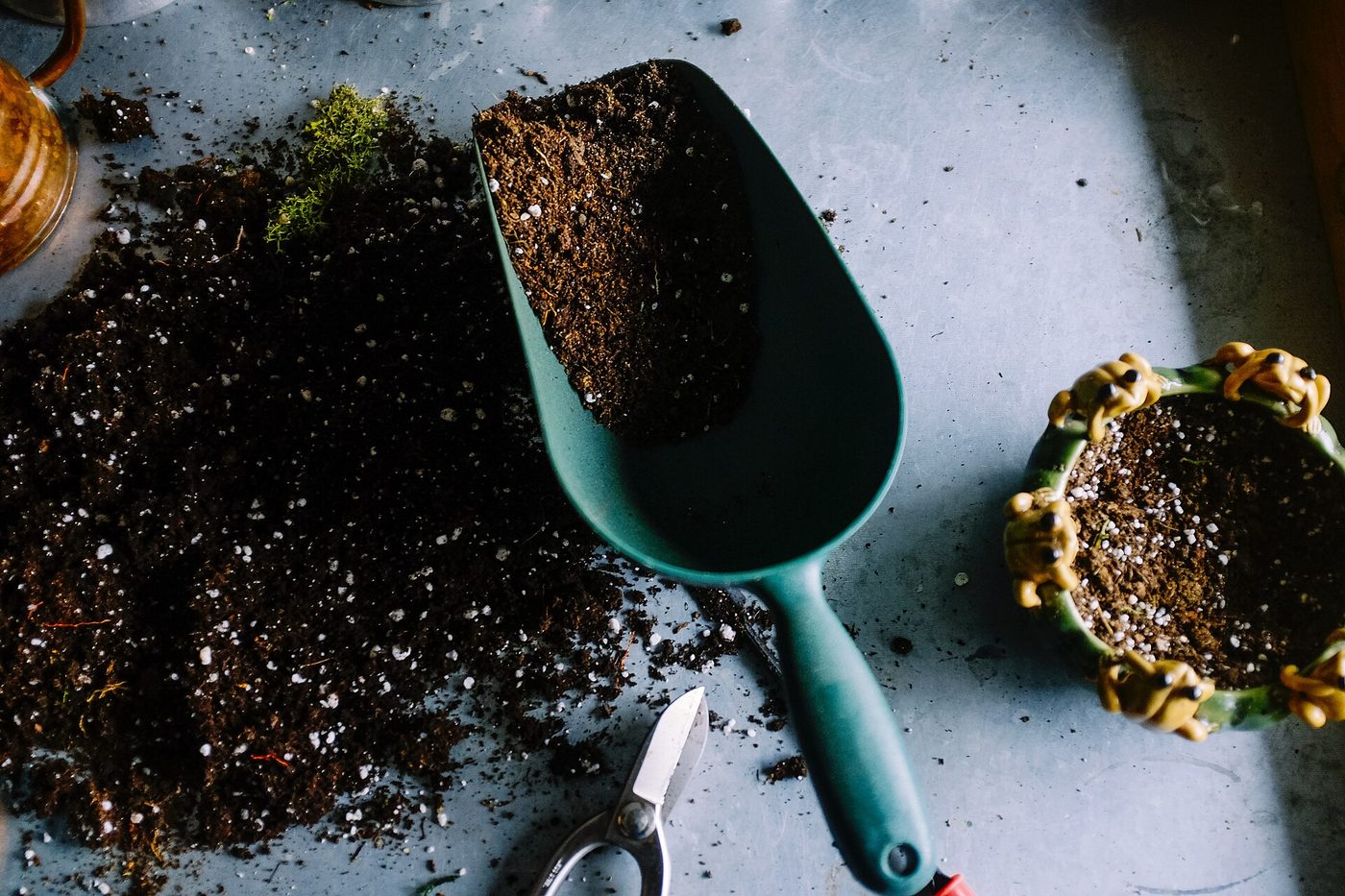
A trowel resting in dark soil beside a small plant

Repotting season · $8–$35 each

05$8–$35 each

The four tools worth keeping on the bench

Trowel, sieve, tweezers, brush. Everything else in the garden centre is optional.

Verdict

A narrow trowel and a 3 mm sieve do 90% of repotting work.

Usefulness
Durability
Storage

Worth it

  • A narrow blade fits a 9 cm pot; a wide one does not
  • A sieve turns cheap compost into a usable mix
  • Tweezers place a small plant without bruising it

Trade-offs

  • Stainless tools cost more than they look like they should
  • Wooden handles need oiling once a year
  • Most 'succulent kits' include tools you will never use
Trowel width3–4 cm
Sieve3–5 mm mesh
TweezersBlunt, curved tip

Keep a soft brush for cleaning grit off leaves — a dusty rosette photographs badly and transpires poorly.

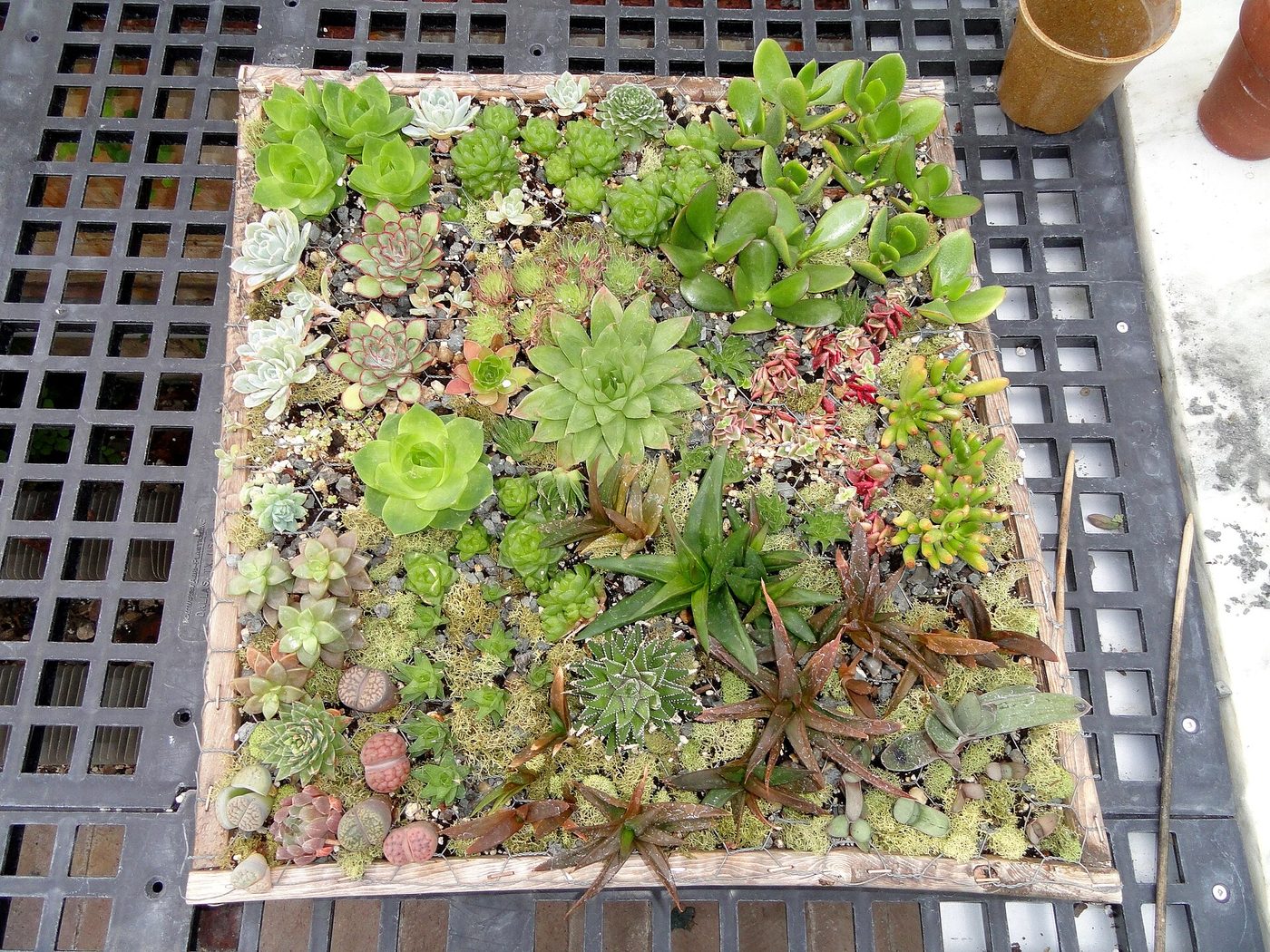
A tray of mixed succulents seen from above

A first shelf · $28–$65 for nine

06$28–$65 for nine

Starter trays: what a good one contains

Nine small plants should teach you nine different things. Most trays teach the same thing nine times.

Verdict

A good tray mixes genera: one rosette, one clumper, one trailer, one fuzzy, one stone plant.

Variety
Plant quality
Value

Worth it

  • Cheap way to learn which genus suits your light
  • Small plants adapt to a new room faster than large ones
  • Gives you propagation material in the first season

Trade-offs

  • Trays are often nine cuttings of the same echeveria
  • Bare-root plants need a fortnight of shade before full sun
  • Unlabelled trays teach nothing about the plants' names
GeneraAt least four different ones
RootsWhite and firm, not black
LabelsGenus and species, not 'succulent mix'

Ask for the tray that was potted this month, not the one that has been on the bench since spring.

Before you buy anything

A pot with a hole and a bag of pumice.

That is the entire shopping list for a first year. Everything else in these guides is an upgrade you will appreciate later, not a requirement.

Read the soil guide