Field notes from a Zone 9b bench · since 2016Free US shipping over $75 · Orders ship Mondays
The Succulent
Almanac
Shop the collection

Species library

Eight plants,
one shelf.

The eight we hand to someone starting out — chosen because they survive a normal room, not because they photograph well. Latin name first, plain name second, and the honest difficulty at the end.

Profiles
08
Easiest
Haworthiopsis
Hardest
Lithops
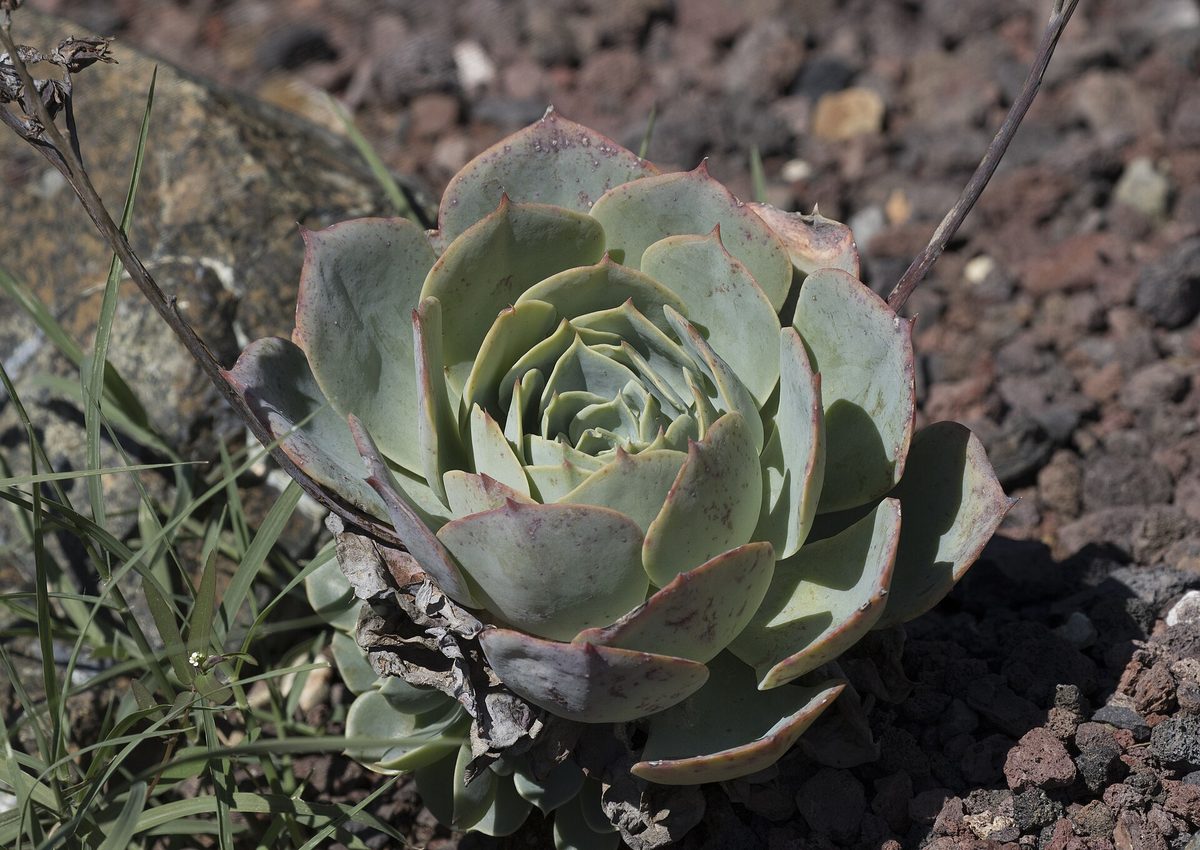
Echeveria runyonii — Topsy-turvy echeveria
01Crassulaceae

Echeveria runyonii

Topsy-turvy echeveria

OriginTamaulipas, Mexico
LightFull sun to very bright
WaterLow
HardyZones 9b–11
HabitRosette, 10–15 cm across, offsets freely
Difficulty

The pale blue rosettes curl upward in strong light, which is the fastest visual feedback any beginner can get. Water the soil, never the crown.

Season Grows spring and autumn; sulks in a hot, still summer.
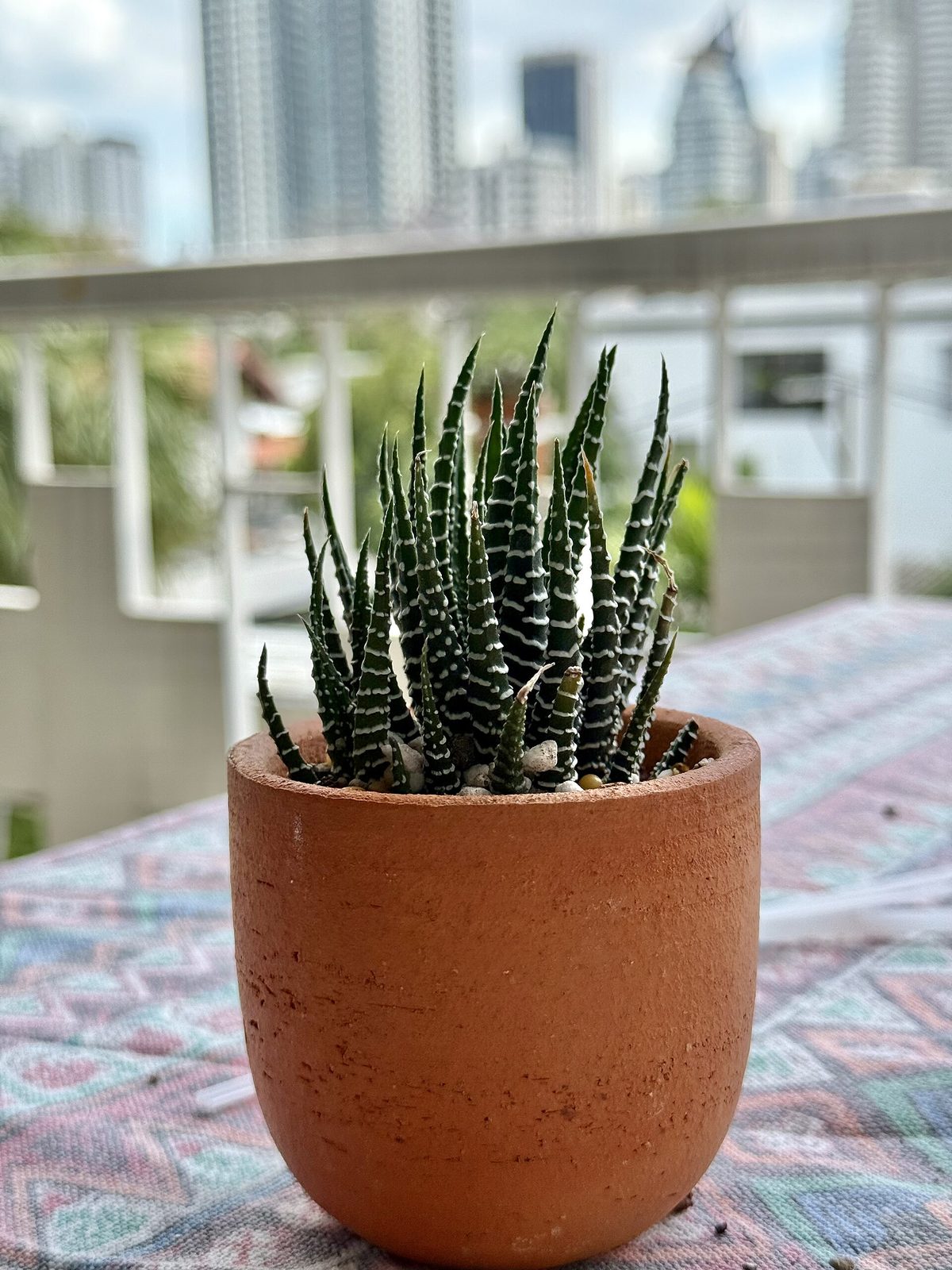
Haworthiopsis attenuata — Zebra haworthia
02Asphodelaceae

Haworthiopsis attenuata

Zebra haworthia

OriginEastern Cape, South Africa
LightBright indirect, some morning sun
WaterLow
HardyZones 9b–11
HabitClumping rosettes, 10–15 cm tall
Difficulty

The most forgiving plant on this list. It tolerates a north-facing sill, dry indoor air and a missed month of watering, and still looks composed.

Season Steady all year; a light dry rest in midwinter sharpens the banding.

Crassula ovata — Jade plant
03Crassulaceae

Crassula ovata

Jade plant

OriginEastern Cape, South Africa
LightFull sun, or a south window
WaterLow to moderate
HardyZones 9–11
HabitWoody shrub, 60 cm indoors, 2 m in the ground
Difficulty

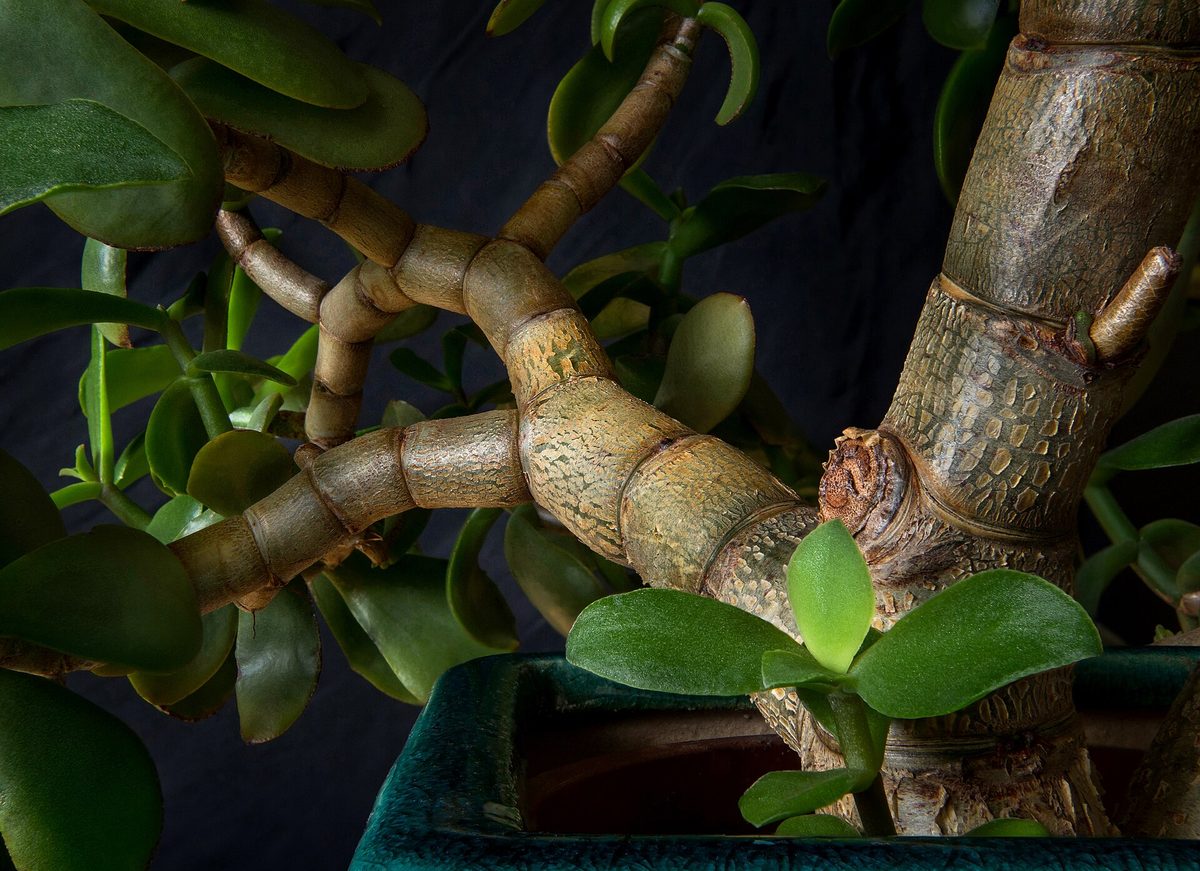
The one succulent that becomes furniture. Given twenty years and a heavy pot it forms a trunk; the plant in our photograph is nine years old and has been repotted twice.

Season Grows spring to autumn, flowers in winter if kept cool and dry.

Lithops — Living stones
04Aizoaceae

Lithops

Living stones

OriginNamibia and South Africa
LightFull sun, six hours minimum
WaterVery low, strictly seasonal
HardyZones 10–11
HabitPaired leaves, 2–4 cm, buried to the shoulders
Difficulty

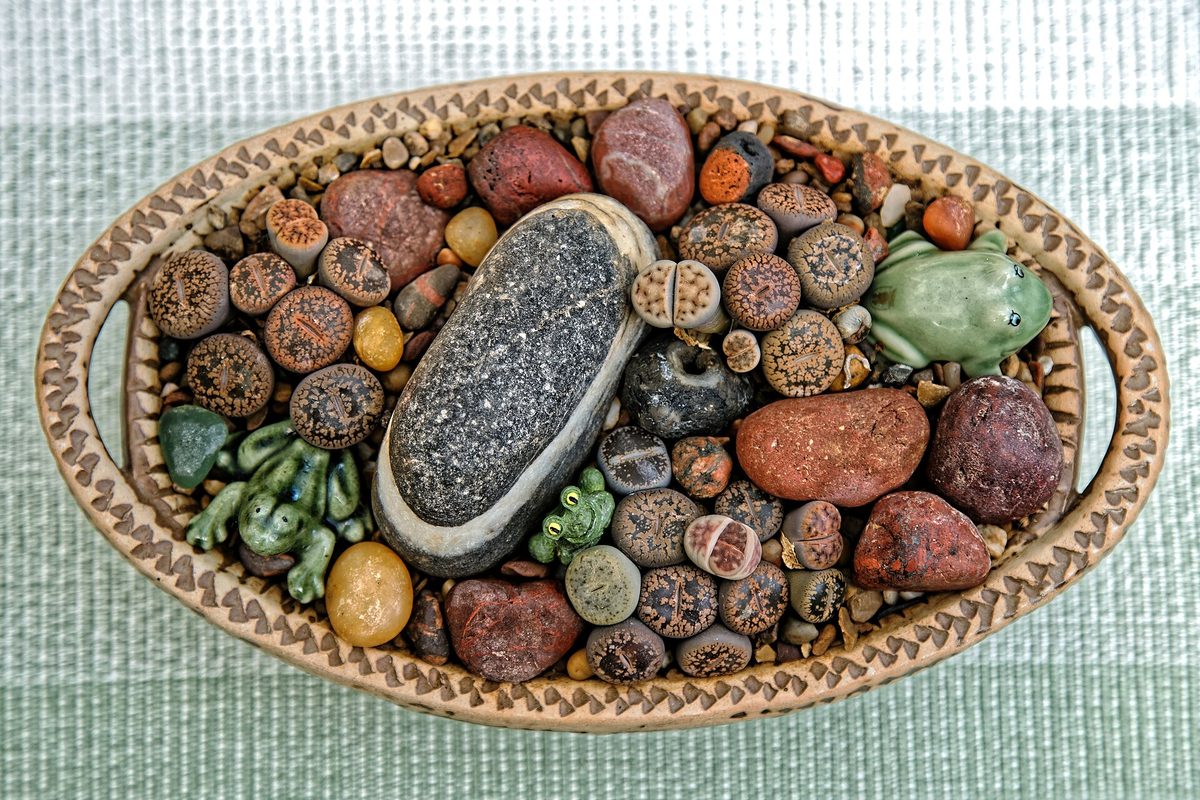
Not a beginner plant, and not a houseplant for a dark room. The whole skill is knowing when to stop watering: the plant splits and absorbs its old leaves in spring, and water during that window will rot it.

Season Water in late spring and again in autumn; bone dry through summer and winter.

Kalanchoe tomentosa — Panda plant
05Crassulaceae

Kalanchoe tomentosa

Panda plant

OriginMadagascar
LightBright light, sun in winter
WaterLow
HardyZones 10–11
HabitUpright stems, 30–60 cm, felted leaves
Difficulty

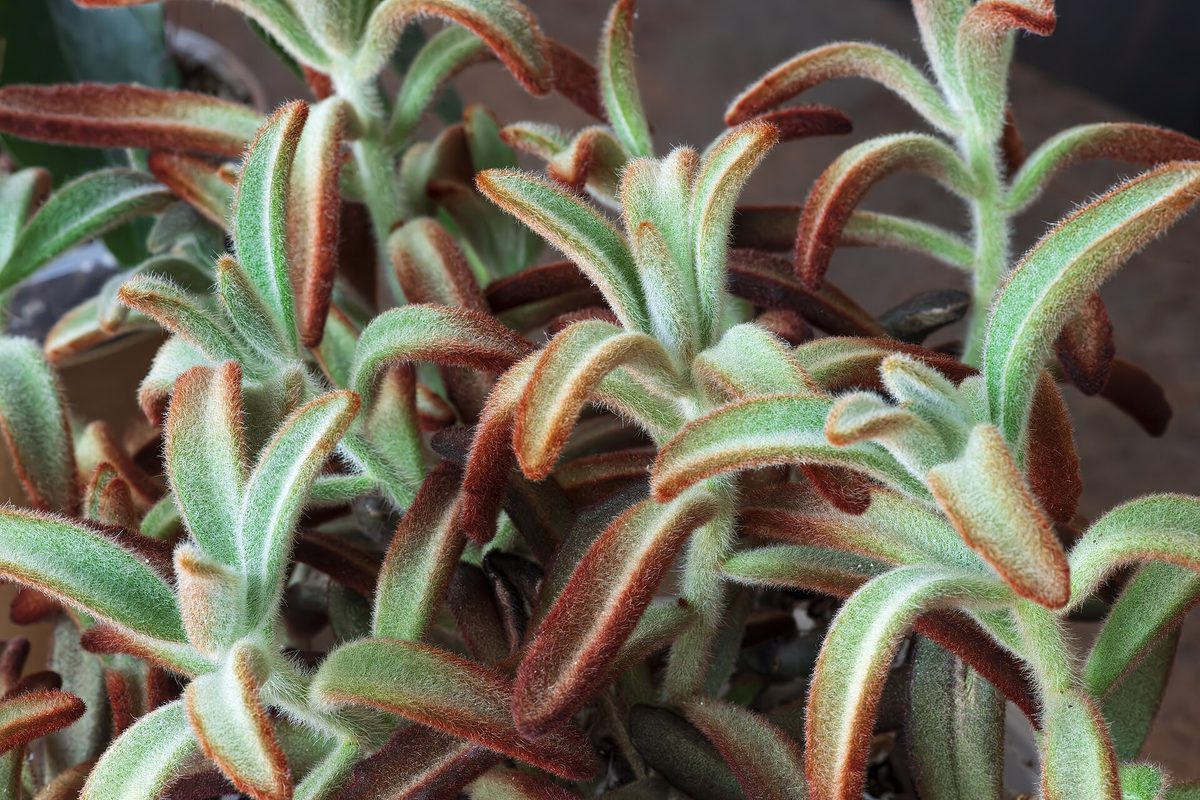
The felt is a sunshade and a water shield at once. Never wipe it, never mist it, and never let water sit in the leaf axils — that is the only way to lose this plant.

Season Active spring and autumn; keep drier and cooler in winter.

Graptopetalum paraguayense — Ghost plant
06Crassulaceae

Graptopetalum paraguayense

Ghost plant

OriginTamaulipas, Mexico
LightFull sun to bright light
WaterLow
HardyZones 9–11
HabitTrailing rosettes on stems that lengthen with age
Difficulty

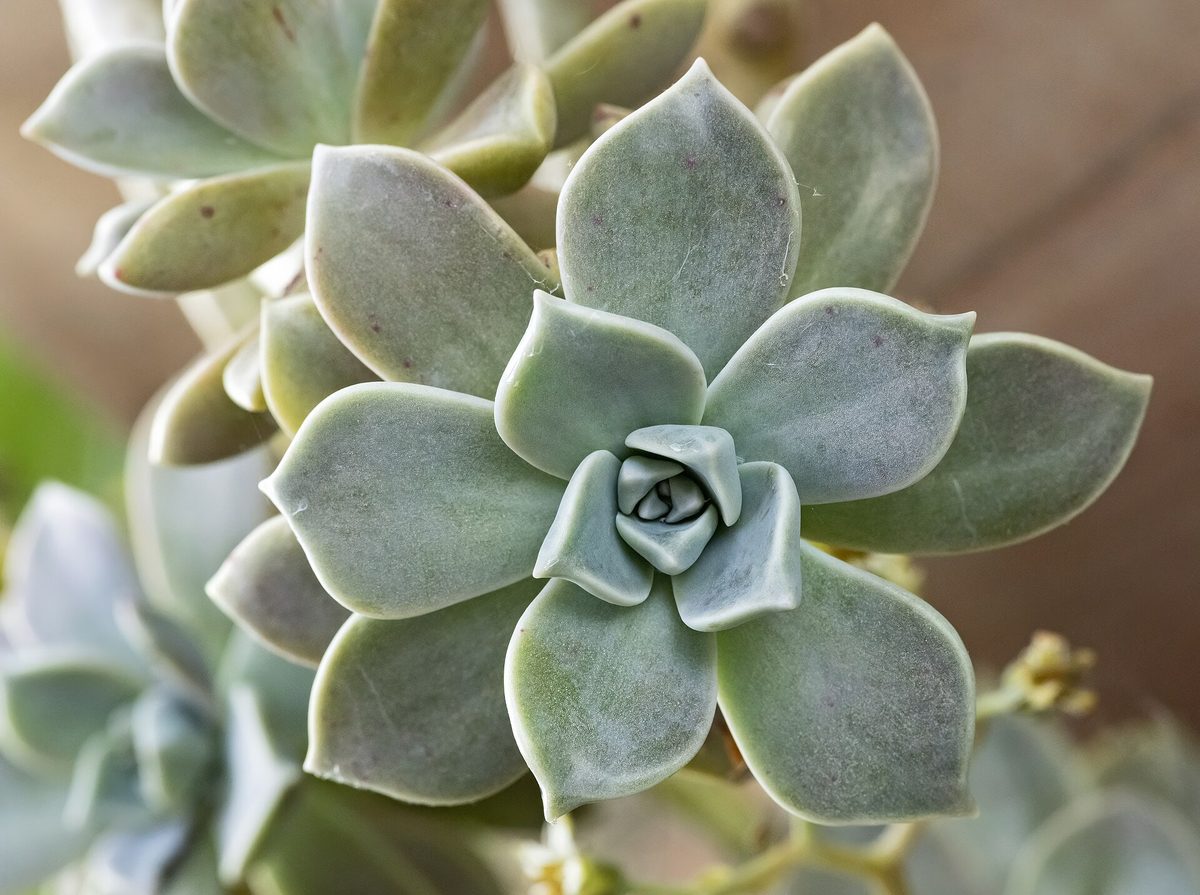
Pale, powdery, almost grey. The farina on the leaves is a wax sunscreen: every fingerprint you leave becomes a permanent scar, so handle it by the stem.

Season Grows nearly year-round in mild climates; colours up in cold, bright weather.

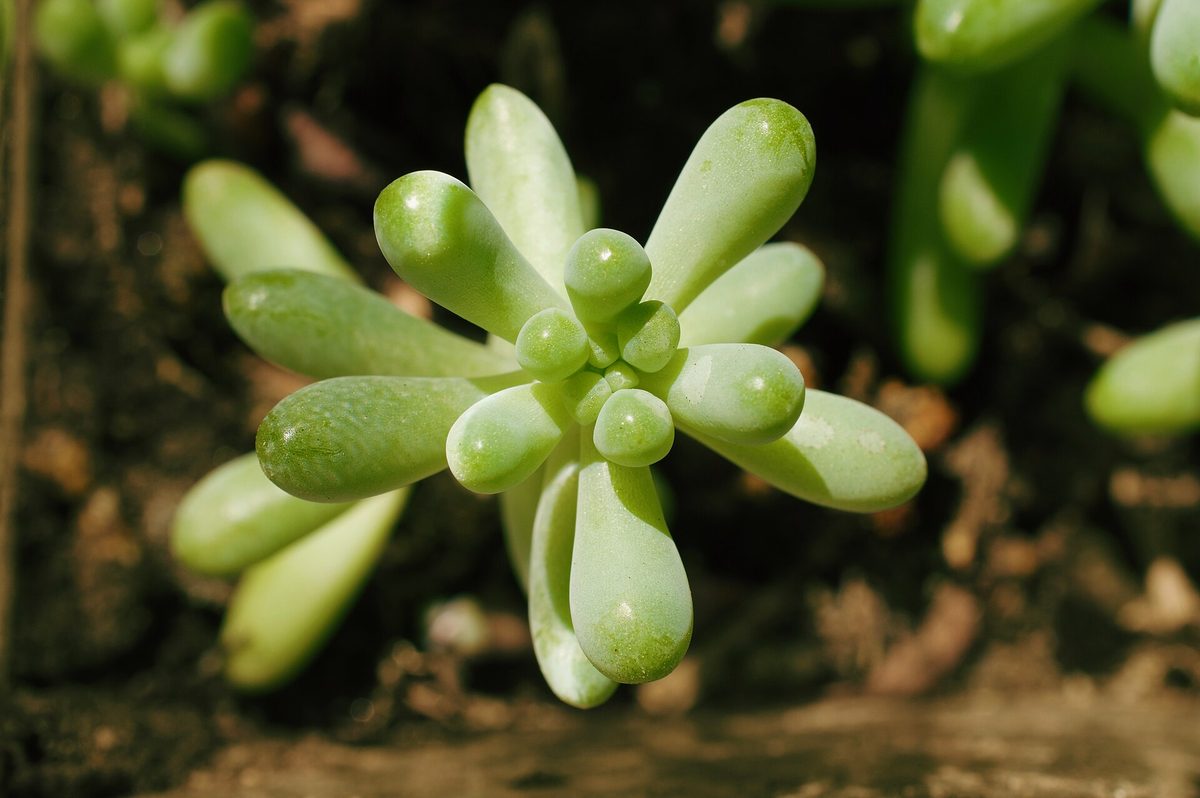
Sedum pachyphyllum — Jelly beans
07Crassulaceae

Sedum pachyphyllum

Jelly beans

OriginOaxaca, Mexico
LightFull sun
WaterLow
HardyZones 9b–11
HabitShrubby, 20–30 cm, finger-like leaves
Difficulty

Grows fast enough to be a teaching plant. In full sun the leaf tips flush red; in shade the whole plant stretches and turns an unremarkable green.

Season Spring and autumn growth; summer dormancy in extreme heat.

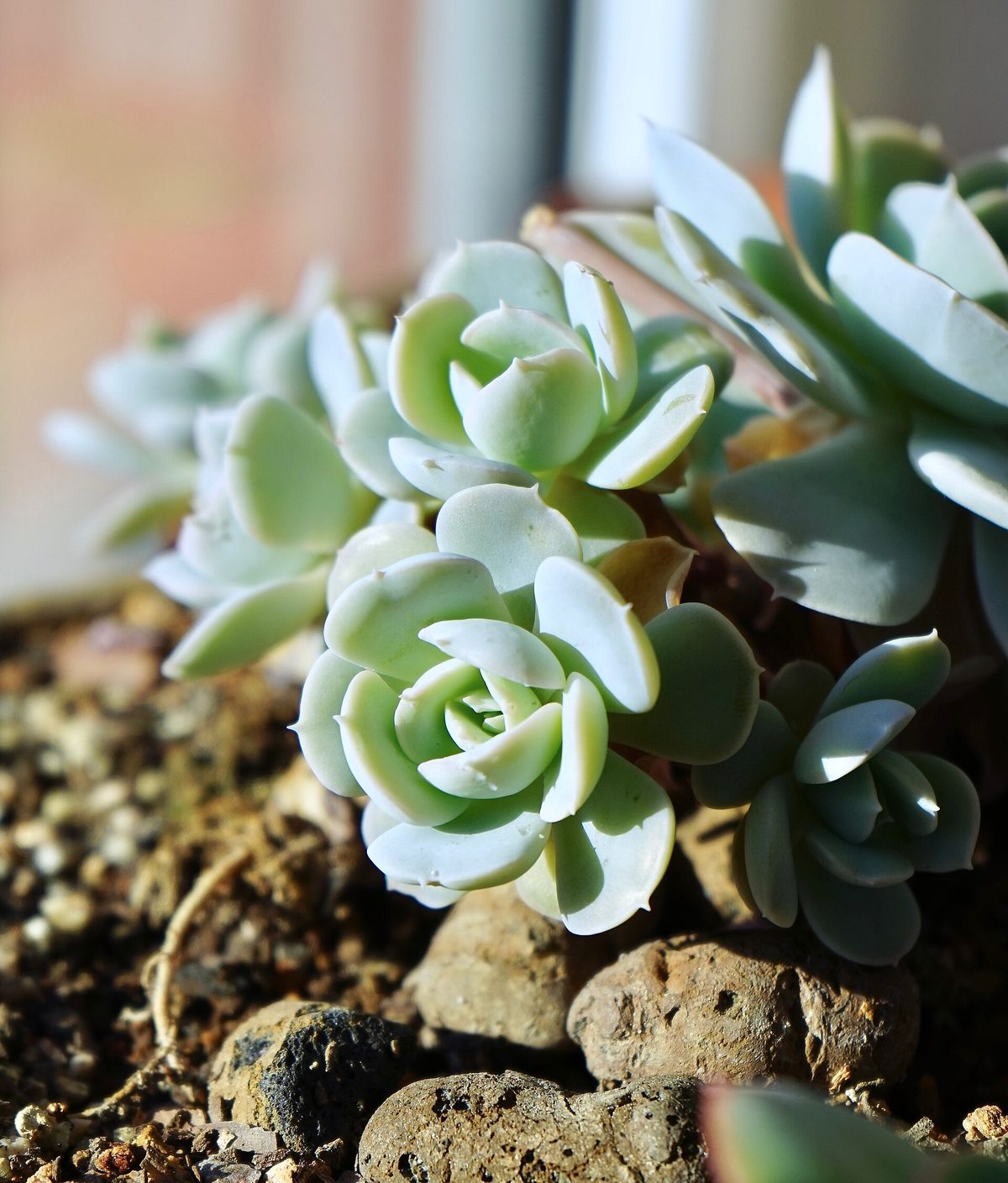
Echeveria elegans — Mexican snowball
08Crassulaceae

Echeveria elegans

Mexican snowball

OriginHidalgo, Mexico
LightBright light, some direct sun
WaterLow
HardyZones 9b–11
HabitTight rosette, 8–10 cm, offsets in rings
Difficulty

The classic pale rosette, and the one most often sold in a glass bowl with no drainage. Give it grit, a hole in the pot and a cool bright windowsill, and it will ring itself with offsets.

Season Autumn and spring growth; pink flowers in late winter.

At a glance

Which one for
which window.

Match the plant to the light you actually have. A north-facing room will grow three of these well and starve the rest.

SpeciesCommonLightWaterZonesDifficulty
Echeveria runyoniiTopsy-turvy echeveriaFull sun to very brightLow9b–11
Haworthiopsis attenuataZebra haworthiaBright indirect, some morning sunLow9b–11
Crassula ovataJade plantFull sun, or a south windowLow to moderate9–11
LithopsLiving stonesFull sun, six hours minimumVery low, strictly seasonal10–11
Kalanchoe tomentosaPanda plantBright light, sun in winterLow10–11
Graptopetalum paraguayenseGhost plantFull sun to bright lightLow9–11
Sedum pachyphyllumJelly beansFull sunLow9b–11
Echeveria elegansMexican snowballBright light, some direct sunLow9b–11

Hardiness zones follow USDA; difficulty is our own three-step scale from a Zone 9b bench.