Field guide 02 · Foundations
Reading a window
A south-facing sill is not a light source in December. How to judge the light you actually have, and what to do when it is not enough.
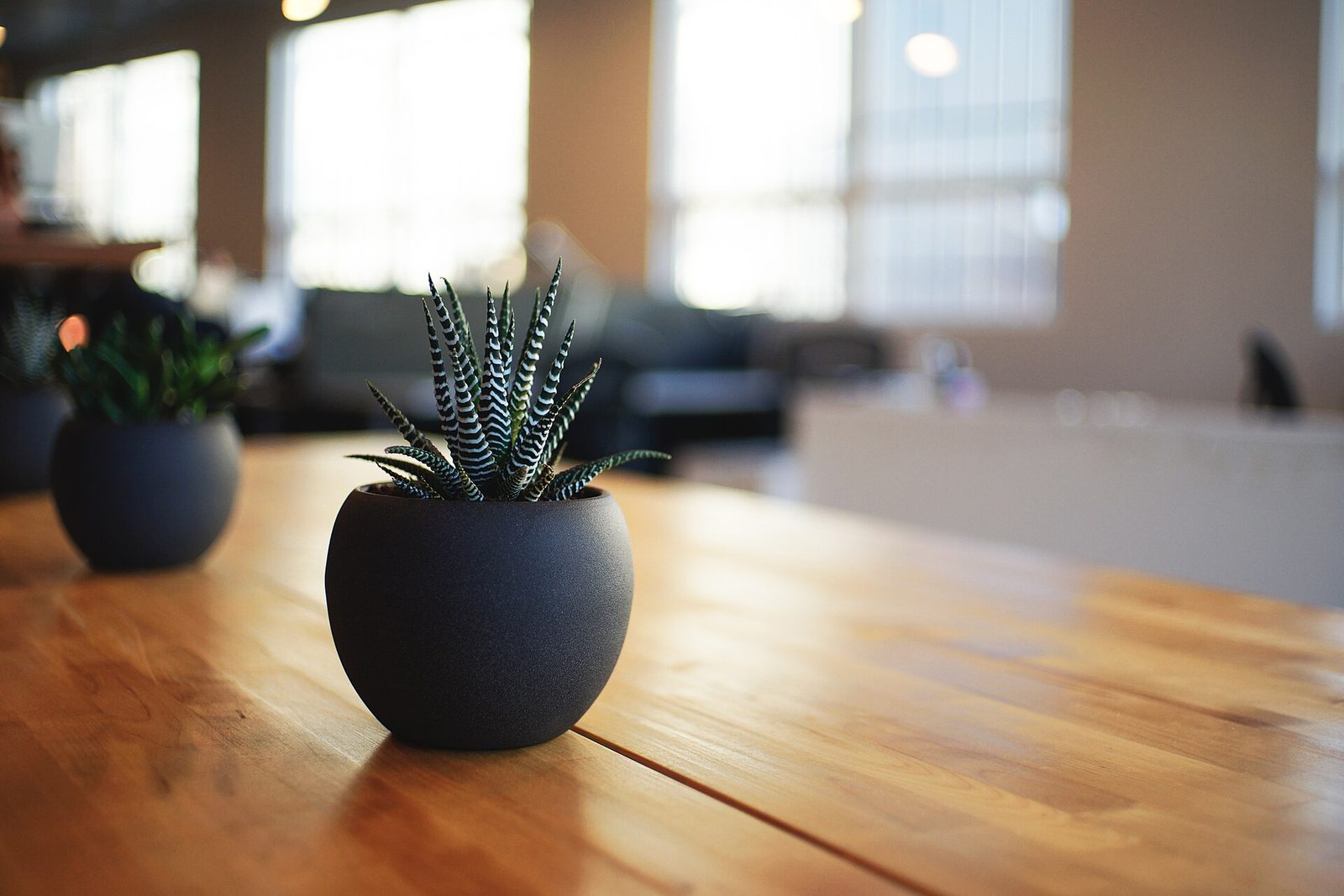
Succulents are not fussy about temperature. They are extremely fussy about the quantity and direction of light, because the shape of the plant is a record of it. A stretched, pale, downward-curling rosette is not sick; it is a plant that has been reading the wrong window for three months.
What each exposure really delivers
| Window | Direct sun | Suits |
|---|---|---|
| South | 5–7 hours in summer, 2–4 in winter | Echeveria, sedum, jade, most cacti |
| East | 2–4 hours of morning sun | Haworthia, kalanchoe, young plants |
| West | 3–5 hours of hot afternoon sun | Most rosettes, with summer shade |
| North | No direct sun | Haworthia, gasteria; nothing else long-term |
The stretch test
Measure the distance between leaves on a new stem. If it grows longer than the gap below it, the plant is reaching. In echeverias the rosette opens and flattens; in sedums the stem elongates and the leaves space out. Both are reversible in a brighter spot, but the stretched stem will not shorten — you propagate and start again.
Sunburn is a spring problem
Plants that spent winter behind glass burn in the first strong April week, because the new growth has not built its wax. Move them out over ten days: an hour of direct sun on day one, two on day two, and so on. A bleached patch is permanent, but it will grow out.
When the window is not enough
From November to February, at 40° latitude, a south window delivers less light than an overcast June day outside. Two options: accept a slow, dry winter rest, or add a small full-spectrum bar 20–30 cm above the plants for 10–12 hours a day. A cheap lux meter or a phone app is enough to compare two sills before you buy anything.